Eustachian Tube Dilation for Ear
Pressure Relief in Houston, TX

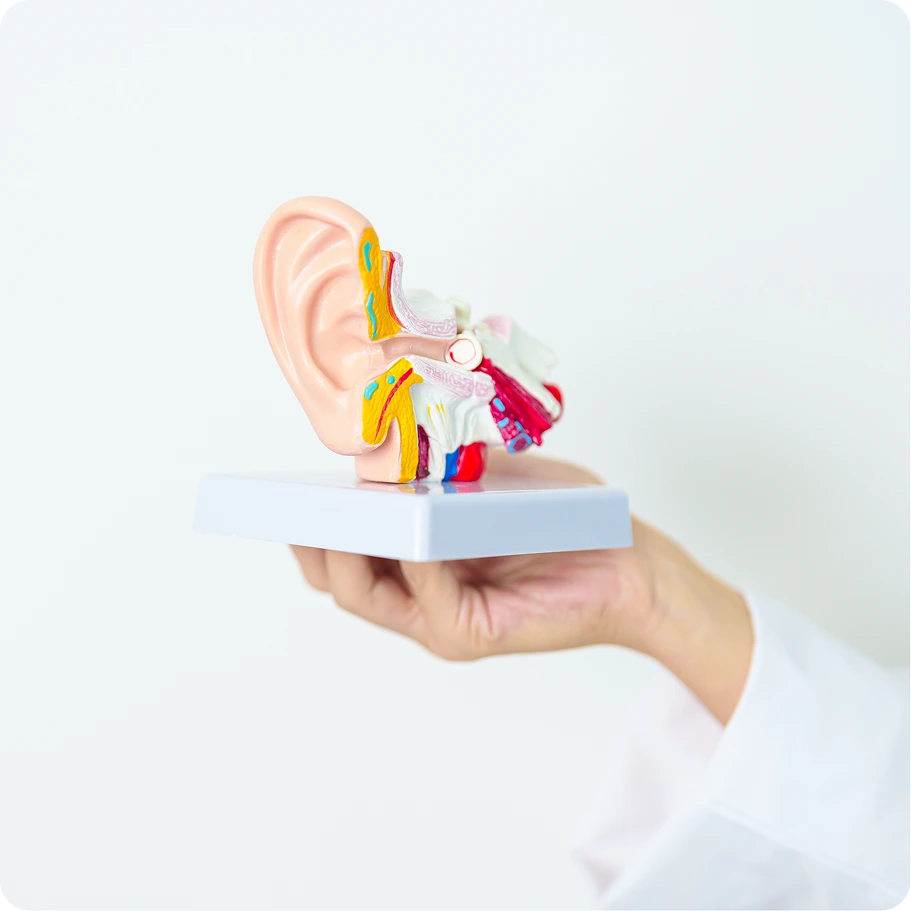
The ears are an integral part of the sinuses and the ENT practice. Your eustachian tubes run from the back of your nose and upper throat to your middle ear.

Balloon dilation of the Eustachian tubes helps remove inflamed mucosa, replacing it with healthy mucosa. It is a simple outpatient procedure done right in our office.

What are the
Eustachian tubes?

Your Eustachian tubes run from the back of your nose and upper throat to your middle ear. They are canals on each side of your face. Their job is to regulate ear pressure and drain excess fluid from the middle ear and move it to the throat.

What are the symptoms of Eustachian
tube dysfunction (ETD)?

  • Feeling of fullness or pressure in the ears
  • Muffled or reduced hearing
  • Popping, clicking, or crackling sounds in the ears
  • Ear pain or discomfort
  • Ringing in the ears (tinnitus)
  • Balance problems or mild dizziness
  • Fluid buildup in the middle ear
  • Frequent ear infections

Why do I have constant ear pressure?

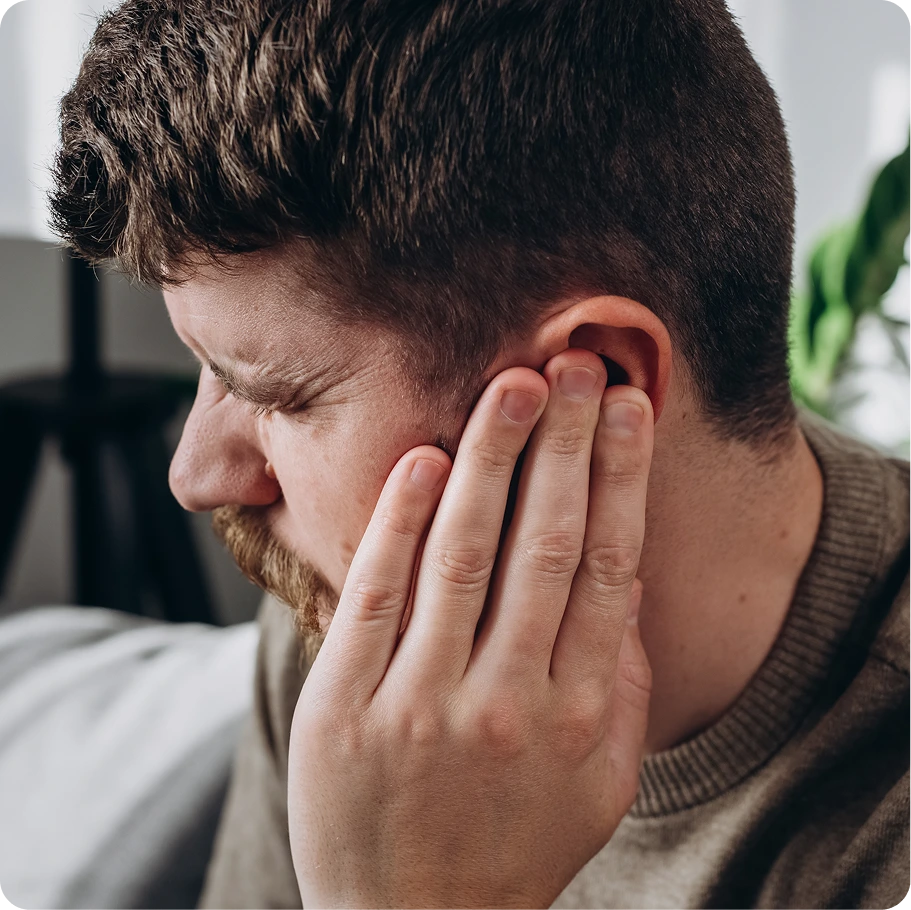
If you experience consistent ear pressure or ear infections, your Eustachian tubes might be to blame. Eustachian tube dysfunction may occur when the mucosal lining of the tube is swollen, or it does not open or close properly.

Symptoms include: ear pressure, muffled hearing, pain, a feeling of fullness, clicking, popping, and “squishy sounds” in the ears, and the urge to pop your ear, as well as balance problems.

What does ear pressure have to do
with my sinuses?

Our body cavities are all connected. Your eustachian tubes are part of your sinuses. For some people, allergies, sinus infections, and sinusitis wreak more havoc on their Eustachian tubes than areas typically associated with the sinuses. This can cause ear pressure and pain, and often leads to ear infections.
Sometimes these ear infections can lead to more serious issues, such as hearing loss. In these cases, we refer our patients to see our in-office audiologist for a hearing test.

What can be done for ear pressure?

Eustachian tube dysfunction affects 7.3 million adults in the United States; luckily, there is a viable treatment option. As seen in the photo below, balloon dilation of the Eustachian tubes helps remove inflamed mucosa, replacing it with healthy mucosa. It is a simple outpatient procedure done right in our office.

How is Eustachian tube balloon dilation performed?

Eustachian tube balloon dilation is performed as a comfortable, in-office outpatient procedure. Before starting, the nasal passages are numbed using local anesthesia to help ensure you remain relaxed and experience minimal discomfort throughout the treatment.

Using specialized instruments, our physician carefully guides a catheter through the nasal passage to reach the opening of the Eustachian tube. This approach provides precise access to the narrow tube without incisions.

Once the catheter is in place, a small balloon is advanced into the Eustachian tube. The balloon is positioned exactly where the tube is blocked or inflamed to target the source of dysfunction.

At this stage, our doctor gently inflates the balloon for a short period. This pressure helps widen the Eustachian tube, reducing inflammation and restoring normal airflow and drainage.

After dilation, the balloon is deflated and removed. The procedure typically takes only a few minutes, and most patients can return to normal activities the same day, often noticing symptom improvement shortly afterward.

Recovery after a balloon dilation procedure

Recovery after Eustachian tube balloon dilation is typically quick and well-tolerated. In most cases, patients can return to normal daily activities the same day or the following day, with minimal downtime.

As the Eustachian tube opening heals and adapts, it is normal to notice temporary changes in how the ears feel.

  • Some patients experience mild pressure or fullness, which usually improves within a few days.

  • You may notice an unusual sensation in the ears when swallowing, yawning, or changing head position. These sensations are generally a sign that the Eustachian tube is beginning to function more normally.
To support proper healing, your doctor may recommend avoiding blowing your nose forcefully for a short period after the procedure. This helps reduce irritation and allows the treated area to recover smoothly.

Your provider will schedule follow-up appointments to monitor healing and ensure symptoms are improving as expected. During these visits, any concerns can be addressed and progress evaluated.As with any medical procedure, there are potential risks, though complications are uncommon. Your doctor will review these with you and answer any questions before and after treatment to ensure you feel informed and comfortable.

Candidates for Eustachian tube dilation

Candidates for Eustachian tube dilation often include patients who struggle with chronic Eustachian tube dysfunction that does not improve with medications or other conservative treatments. These individuals may experience persistent middle-ear pressure, ongoing ear fullness, or recurring ear pain that interferes with daily activities. Some patients describe that their ears feel plugged, especially during changes in altitude, such as flying or scuba diving. Additional complaints may include discomfort related to pressure changes in the nasal cavity, along with a sore throat, nose bleeds, or other symptoms that suggest poor ventilation of the middle ear.

A thorough evaluation is important to determine whether balloon dilation is appropriate. Your doctor will consider contributing factors such as allergies, excess mucus, or inflammation that may be blocking normal function. A detailed history and physical examination help confirm the diagnosis and rule out other causes of symptoms. Patients who continue to have problems despite standard treatments may be good candidates for this procedure.

Benefits of Eustachian tube dilation

  • Relieves chronic ear pressure and discomfort

  • Improves airflow and drainage in the middle ear

  • Reduces feelings of ear fullness or blockage

  • Helps restore normal hearing function

  • Decreases the frequency of ear infections

  • Minimally invasive, in-office outpatient procedure

  • Quick recovery with little to no downtime

Cost of Eustachian tube dilation in Houston, TX

The cost of Eustachian tube dilation in Houston typically ranges from $4,000 to $13,000, depending on factors such as the provider, whether the procedure is performed in-office or in a surgical setting, and insurance coverage. Costs may vary based on what is included in the fee, such as physician services, facility charges, and follow-up care, so a personalized estimate is usually provided during your consultation.Schedule an appointment at our clinic to receive personalized price quotes!

Additional Ear Care at Texas Sinus & Snoring

Our on-site audiologist can perform hearing tests in our hearing booth. She can also fit patients for new hearing aids and adjust existing ones.

Enhance Your Ear Health & Find Relief from Air Pressure Problems

Eustachian tube dilation is designed to help patients regain comfort and long-term ear health by addressing the underlying cause of pressure and blockage. To achieve excellent results with Eustachian tube dilation, Houston patients benefit from a personalized approach that aims to treat Eustachian tube dysfunction at its source. This advanced option allows many patients to restore function so the tubes can open properly, helping the ears equalize pressure and drain fluid as intended. The procedure is performed without general anesthesia, making it a convenient choice for those seeking effective care with minimal disruption.