Nasal Congestion & Stuffy
Nose Treatment in Houston, TX

Dealing with a persistent stuffy nose can disrupt sleep, make breathing difficult, and even affect daily productivity, leaving many patients feeling frustrated and fatigued. For those in Houston struggling with chronic nasal congestion, whether caused by allergies, sinus infections, or structural issues like a deviated septum, effective treatment can bring much-needed relief. Patients often seek solutions not only to improve breathing and reduce snoring but also to enhance overall quality of life.

Our clinic in Houston offers personalized evaluations and advanced treatment options designed to address the root causes of nasal obstruction and help patients breathe easier again.

Why Do You Have a Stuffy Nose?

The simplest description of nasal congestion is difficulty breathing through the nose or a stuffy nose. People describe it as “feeling stuffy,” “tightness,” or “pressure.”

The simplest description of nasal congestion is difficulty breathing through the nose or a stuffy nose. People describe it as “feeling stuffy,” “tightness,” or “pressure.”

Some individuals have never breathed well through their nose, so they don’t know the true feeling of an open nasal passage. They view their nasal congestion as normal. This group usually comes in to address snoring, blocked ears, or what they perceive as allergies. At Texas Sinus & Snoring, we apply the full range of diagnostic modalities and the latest technology to get to the bottom of your problem. Living with cyclical nasal blockage, seasonal allergies, or snoring is not fun. We want to help you “break the cycle and breathe.”

What Causes Nasal Congestion or a Stuffy Nose?

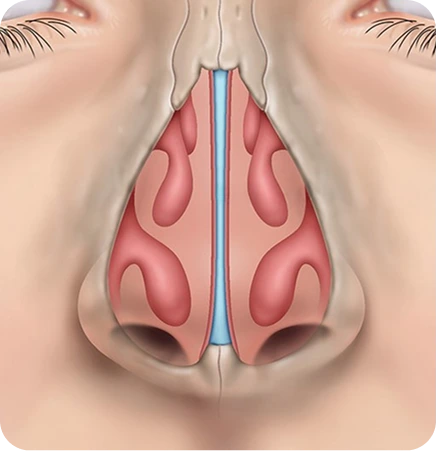
Anatomic Nasal Obstructions:

Deviated Nasal Septum

The nasal septum is crooked and causes the airway to be pinched.

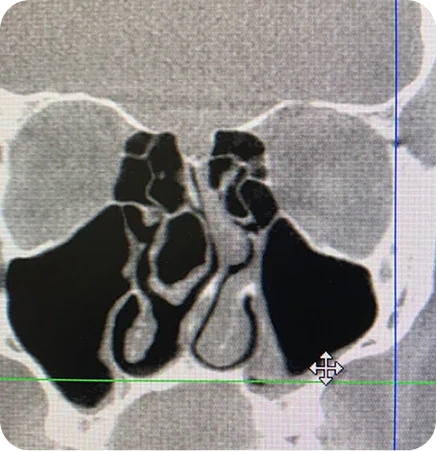
Concha Bullosa

There is an extra sinus inside the middle turbinate.

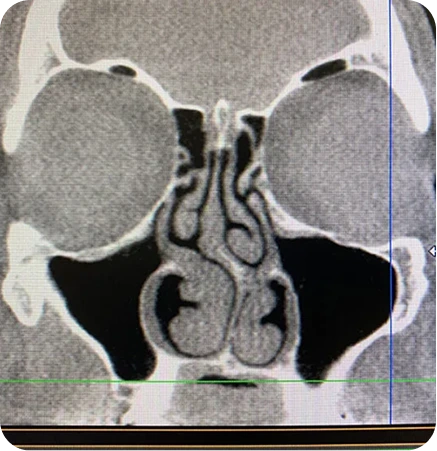
Bony Spur

There is a bony spur in the septum causing the congestion.

A Mass

There is a mass in the nose or nasopharynx.

Functional Nasal
Obstructions

Acute or chronic sinusitis, colds, flu, or environmental allergies can trigger swelling of the nasal lining. No matter what causes the swelling, your airway narrows as the swelling increases. This causes a stuffy nose.

Floppiness of the nasal sidewalls or nasal valve stenosis is a common problem. Sometimes the nasal sidewalls don’t have the strength to remain open when we take a full breath. Think about trying to breathe through a straw made of cloth rather than plastic.

Dr. Cilento pioneered methods of determining if nasal valve stenosis is present. He also uses the latest techniques for fixing simple to complex versions of this common problem.

How to Treat Nasal Congestion or a Stuffy Nose?

Treatments for nasal congestion or a stuffy nose can vary depending on the cause. However, there are some ways you can help temporarily reduce the pressure you feel in your nose.

  • Hydrate yourself, especially in Houston. Drinking 2-4 quarts of water a day will help keep mucus thin and functioning optimally.

  • Practice nasal rinses with nasal saline. (View our instructional video here)

  • Use a humidifier

  • Take a warm shower and breathe in the steam

  • Use a nasal saline spray

  • Decongestants help reduce the swelling in your nasal passages. However, prolonged use can cause blood pressure problems.

  • Antihistamines help if allergies are causing your nasal congestion.

  • Pain relievers help relieve the pain associated with the swelling in your nose

Professional Treatments for Nasal Congestion

Your nasal congestion could be a symptom of one or more different problems.

For example, swelling from chronic sinusitis, a deviated septum, enlarged turbinates, and nasal valve collapse could all be the cause. Fixing one of these things, but not the others, will not correct the problem. In this case, the answer would be balloon sinuplasty to fix the sinusitis, turbinate reduction, septoplasty, and nasal valve reconstruction.

Follow the links below to learn more about any of the procedures that may help with nasal congestion.

Allergy testing is a vital first step in identifying triggers that can cause nasal congestion and other sinus-related issues. By carefully examining your nasal cavity, our specialists can determine which allergens are responsible for your symptoms. Once identified, patients can manage their condition more effectively with targeted allergy medications, helping reduce inflammation, congestion, and other allergy-related problems.
Immunotherapy works by gradually desensitizing the immune system to specific allergens over time. This treatment can help reduce chronic nasal congestion, sinus infections, and other allergy-related symptoms. By retraining the body’s immune response, immunotherapy offers long-term benefits and can minimize the need for daily medications, improving overall nasal health and breathing.
Turbinate reduction is a procedure that reduces the size of swollen turbinates in the nose, which can block airflow and cause persistent nasal congestion. By carefully removing or shrinking excess tissue, this treatment improves airflow through the nasal cavity, allowing patients to breathe more easily. Turbinate reduction can be performed alone or in conjunction with other procedures for optimal relief.
Balloon sinuplasty is one of the best treatments for patients suffering from chronic sinus pressure and congestion. During the procedure, a small balloon is inserted into the blocked sinus cavities and gently inflated to widen the passageways. This minimally invasive approach preserves tissue while improving drainage, reducing sinus pressure, and helping patients experience long-lasting relief. Balloon sinuplasty is quick, safe, and effective for many individuals.
Septoplasty is a surgical procedure designed to correct a deviated septum and restore proper airflow through the nasal passages. The procedure is often performed under local anesthesia, making it safe and comfortable for patients. Septoplasty provides long-term relief from chronic nasal obstruction, improving breathing, reducing snoring, and enhancing overall quality of life.
Cryotherapy is a minimally invasive procedure that uses controlled cold to reduce swelling and inflammation inside the nasal passages. This treatment can help manage chronic nasal congestion, reduce allergy-related irritation, and improve airflow without extensive surgery. Cryotherapy is safe, precise, and often performed in an outpatient setting.
Nasal valve reconstruction addresses structural issues in the nasal valve, which is a common cause of airflow obstruction. This procedure strengthens and reshapes the nasal sidewalls to prevent collapse during breathing. By correcting the nasal valve, patients experience improved airflow, reduced congestion, and better overall nasal function.

What Are the Effects of Prolonged Nasal Congestion?

Most people prefer to breathe through their noses. When you can’t breathe normally because your nose feels stuffy and swollen, it is irritating. But there are more complications than irritation.
Breathing through the mouth exclusively can cause chronic bad breath, known as halitosis. It also causes tooth decay by hindering the natural protection provided by saliva.
Nasal congestion can cause dizziness and interfere with hearing. Your sinuses are all connected, so the pressure in your nose can affect the pressure in your ears. This can make them feel muffled and cause dizziness.
Nasal congestion can also affect your throat and voice. Your nose produces more mucus to help clear your inflamed, swollen nasal passages. That mucus can start to run down the back of your throat. We call this post-nasal drip. It can cause a sore throat, cough, hoarseness, and even loss of your voice.

Nasal congestion can also affect your sleep. When you can’t breathe out of your nose, you are forced to breathe out of your mouth. This can cause snoring and can be a big problem for those with sleep apnea. Snoring can also keep your partner awake.

For infants, nasal congestion can be a big problem as it can interfere with feeding.

Who Is the Most Affected
by Nasal Congestion?

Nasal congestion occurs in people of all ages, but certain individuals are more prone to its effects. Those with allergies often experience a runny nose, swelling in the nasal passages, and repeated episodes of congestion. Patients with chronic sinus infections may suffer from persistent nasal blockage, sinus headaches, and pressure that interferes with daily activities.

Structural issues, such as narrow nasal passages or weakened nasal valves, can contribute to obstructive sleep apnea by restricting airflow during sleep. Even minor irritation can cause the blood vessels inside the nose to swell, further worsening congestion. Understanding who is most affected helps guide effective treatment and provides relief tailored to each patient’s needs.

Benefits of Treating Nasal Blockage

Cost of Nasal Congestion Treatment in Houston, TX

The cost of nasal congestion treatment in Houston typically ranges from $200 to $5,000, depending on the type and complexity of the procedure. Less invasive treatments, such as allergy testing, nasal sprays, or turbinate reduction, tend to be on the lower end. In contrast, surgical options like septoplasty, nasal valve reconstruction, or balloon sinuplasty are more expensive. Insurance coverage may help offset some costs, and our clinic works with patients to explore financing options and personalized treatment plans to ensure access to effective care.

We Offer Professional Treatments for a Deviated Septum, Chronic Sinusitis, and Other Nasal Conditions

At our Houston clinic, we take a personalized approach to diagnosing and treating nasal congestion, difficulty breathing, and other sinus conditions. Using advanced tools like the NOSE score test and nasal endoscopy, we carefully evaluate both nostrils to identify the underlying cause of your symptoms, whether it’s turbinate hypertrophy, nasal polyps, a deviated septum, or chronic sinusitis. Our team also assesses how structural issues or inflammation may pull outward on nasal passages, contributing to trouble sleeping, sinus pressure, or other symptoms.

Once a diagnosis is made, we offer a full range of sinus procedures designed to help you breathe freely and find relief. We encourage patients to seek treatment early and stay up-to-date with the latest therapies so that their nasal health is optimized.Schedule an appointment today to begin a treatment plan tailored to your unique needs.

Frequently Asked Questions (FAQs)

Topical nasal steroid sprays can provide temporary relief from nasal congestion and facial pressure, but they are not a long-term solution for chronic sinus issues. Over-the-counter medications may help in the short term, but relying on them for extended periods can mask underlying problems rather than addressing the cause. For lasting improvement, it’s best to consult a specialist who can evaluate your nasal passages and recommend treatments that truly resolve the congestion.

Nasal valve collapse can significantly restrict airflow, making it difficult to get enough air through your nostrils. This can worsen sinus problems, lead to chronic congestion, and contribute to severe problems, such as trouble sleeping or persistent facial pressure. Our ENT specialist can assess whether nasal valve collapse is affecting your breathing and recommend procedures or therapies that provide lasting relief, improving both airflow and overall nasal function.

Yes, Dr. Cilento is a board-certified ear, nose, and throat specialist with extensive experience in providing sinus relief. To receive a professional nasal congestion treatment, Houston patients can trust Dr. Cilento’s expertise in diagnosing and treating a wide range of nasal and sinus conditions to help them breathe more comfortably and improve their quality of life.