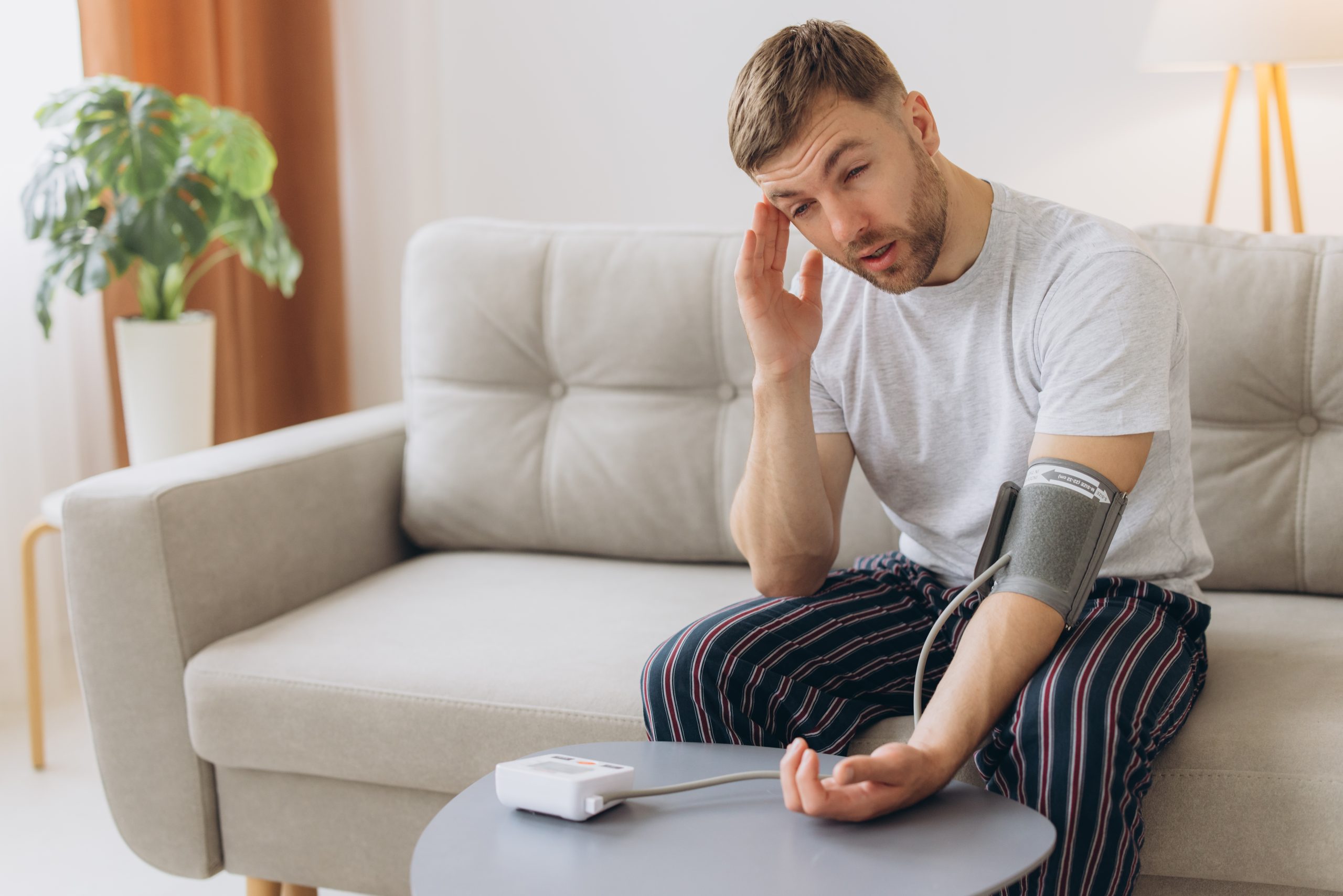
Yes – there is a direct, well-established link between sleep apnea and high blood pressure (hypertension). When breathing repeatedly stops and starts during sleep, oxygen levels drop, and the body responds with stress signals that raise blood pressure. Over time, untreated sleep apnea can lead to chronically high blood pressure that is harder to control with medication alone. The good news is that treating sleep apnea often helps lower blood pressure and protect your heart.
At Texas Sinus and Snoring, Dr. Ben Cilento helps patients in Spring, TX, identify and treat sleep apnea before it harms long-term health.
Understanding Sleep Apnea
Sleep apnea is a serious sleep disorder where breathing repeatedly stops and starts during sleep. These pauses, called apneas, can happen dozens or even hundreds of times a night – often without you knowing. There are a few types:
Obstructive Sleep Apnea (OSA): The most common form, occurring when the throat muscles relax too much and block the airway.
Central Sleep Apnea: A less common type that happens when the brain fails to send proper signals to the muscles that control breathing.
Complex Sleep Apnea Syndrome: A combination of both obstructive and central sleep apnea.
The most common warning sign is loud, chronic snoring. The risk of sleep apnea increases with age.
The Link Between Sleep Apnea and High Blood Pressure
Why Is Sleep Apnea Dangerous?
Sleep apnea is more than a snoring problem. Each time breathing stops, oxygen drops, and the brain briefly rouses you to reopen your airway – releasing a surge of stress hormones like adrenaline.
How Sleep Apnea Affects Blood Pressure
When oxygen levels fall, your body senses a threat and releases adrenaline, causing blood vessels to tighten and constrict. Night after night, this repeated constriction can damage the vessel lining and leave vessels stiff even during the day, making your heart work harder and contributing to sustained high blood pressure.
Direct Effects on Blood Pressure
Repeated surges of stress hormones cause sharp spikes in blood pressure during sleep, when it should be at rest. Over time, these nightly spikes can reset the body’s “normal” to a higher baseline. This is one reason people with untreated sleep apnea often develop hypertension that resists standard medications. Understanding whether sleep apnea is driving your blood pressure starts with proper testing and diagnosis.
Recognizing the Signs: When to Seek Help
Consider an evaluation if you have high blood pressure that is hard to control, along with any of these signs:
A partner reports that you stop breathing or gasp at night
You wake up tired despite sleeping enough hours
You experience frequent morning headaches
You feel drowsy while driving or working
You snore loudly most nights
Because high blood pressure and sleep apnea feed into each other, addressing both together gives you the chance at lasting relief.
Diagnosing Sleep Apnea
At Texas Sinus and Snoring, the path to better sleep begins with an accurate diagnosis. Dr. Ben Cilento, an experienced ENT Surgeon, can help determine the cause of your symptoms.
At-Home Sleep Studies
For many patients, diagnosis is more convenient than ever. An at-home sleep study lets you sleep in your own bed while a small device records your breathing, oxygen levels, and sleep patterns – helping Dr. Ben Cilento confirm whether you have sleep apnea and how severe it is.
Treatment Options
The right sleep apnea treatment depends on your anatomy, severity, and lifestyle. Texas Sinus and Snoring offers several alternatives so you can find one that fits.
Inspire™ Sleep Therapy
Inspire sleep therapy uses an implanted device that monitors your breathing and gently stimulates the airway muscles to keep them open during sleep. Controlled with a small handheld remote, it works without a mask or hose.
Genio® Sleep Therapy
Genio sleep therapy is another innovative implant that stimulates the nerve controlling tongue movement, preventing airway collapse so you breathe steadily through the night.
Oral Appliances
Oral appliances are custom-fitted devices worn like a mouthguard. They reposition the jaw and tongue to keep the airway open, offering a comfortable CPAP alternative for mild-to-moderate cases.
Managing High Blood Pressure Related to Sleep Apnea
Treating sleep apnea is a key step, but a whole-health approach works as well. Helpful habits include:
Maintaining a healthy weight
Limiting alcohol, especially before bed
Sleeping on your side instead of your back
Avoiding smoking
Treating nasal congestion or a deviated septum that blocks airflow
Following your physician’s plan for blood pressure medication
When your airway stays open all night, oxygen levels stay steady, and stress hormones calm down. Many patients see their blood pressure improve. Treating sleep apnea can be one of the most effective non-pharmacological ways to lower blood pressure.
Conclusion
Can sleep apnea cause high blood pressure? Yes – the repeated drops in oxygen during sleep trigger stress responses that strain blood vessels and raise blood pressure over time. The encouraging news is that diagnosing and treating sleep apnea often helps lower blood pressure and protect your heart. With options ranging from at-home testing to Inspire, Genio, and oral appliances, there is a path that fits your needs.
Schedule a Consultation for Sleep Apnea in Spring, TX
If loud snoring, daytime fatigue, or hard-to-control blood pressure sound familiar, don’t wait. Schedule a consultation with Dr. Ben Cilento at Texas Sinus and Snoring in Spring, TX, to explore your options. Learn more about our sleep apnea services or call (346) 413-9313 to schedule your evaluation.