High blood pressure and sleep apnea are closely connected, yet many people don’t realize that poor sleep may be contributing to their cardiovascular health problems. When sleep apnea goes untreated, repeated pauses in breathing place significant stress on the body throughout the night, triggering changes that can raise blood pressure and make it harder to control. The good news is that effective sleep apnea treatment can often help lower blood pressure by restoring normal breathing, improving sleep quality, and reducing the strain placed on the heart and blood vessels.
At our practice in Spring, TX, Dr. Ben Cilento evaluates and treats sleep apnea using a range of proven approaches – from at-home sleep studies to oral appliances. In this article, we’ll explain the connection between these two conditions and how treating one can help the other.
What Is Sleep Apnea?
Sleep apnea is a serious sleep disorder in which breathing repeatedly stops and starts during sleep. These pauses, called apneas, can last from a few seconds to over a minute and may occur 30 times or more an hour. Each time breathing stops, the brain briefly rouses you to restart breathing – often so briefly you have no memory of it – preventing deep, restorative sleep.
There are three main types:
Obstructive Sleep Apnea (OSA): The most common form, occurring when the throat muscles relax too much and the soft tissues collapse to block the upper airway.
Central Sleep Apnea (CSA): Less common; the brain fails to send proper signals to the muscles that control breathing. The airway isn’t physically blocked.
Complex (Mixed) Sleep Apnea Syndrome: A combination of both obstructive and central types.
How Treating Sleep Apnea Can Lower High Blood Pressure
When you restore normal breathing during sleep, you eliminate the triggers that drive blood pressure up – breaking the chain of hypoxia, sympathetic activation, and inflammation so the cardiovascular system can finally rest and recover.
For those with resistant hypertension, treating sleep apnea can be the breakthrough that finally allows their medications to work, sometimes even allowing a reduction in prescriptions (always in consultation with their physician).
The impact can be remarkably swift – the nightly spikes cease as soon as effective treatment is in place, often starting the very first night:
Restoration of nocturnal dipping: With consistent breathing, blood pressure can follow its healthy, natural rhythm of falling during sleep.
Lower 24-hour average: Studies consistently show treating moderate to severe apnea reduces both systolic and diastolic pressure – often comparable to adding another medication.
Improvements tend to be greatest in people who have resistant hypertension, use their treatment consistently every night, and have more severe sleep apnea to begin with.
Overview of Treatment Options
The proper approach depends on the type and severity of your apnea, your airway anatomy, lifestyle, and preferences. After a thorough evaluation – often including a convenient at-home sleep study – Dr. Ben Cilento will discuss the full range of options.
CPAP Therapy
Continuous Positive Airway Pressure (CPAP) is the long-established standard for moderate-to-severe OSA. A CPAP machine delivers a steady stream of pressurized air through a mask, creating a pneumatic “splint” that keeps the airway open all night.
By preventing airway collapse, CPAP stops apnea events at their source – no more oxygen drops, no more fight-or-flight activation, no more spikes. Research consistently shows it’s one of the most effective non-pharmacological treatments for hypertension in OSA patients, especially with resistant hypertension. The key word is consistently – the more nights and hours you wear it, the greater the benefit.
Oral Appliances for Sleep Apnea
Not everyone can tolerate CPAP, and that’s where oral appliances come in. These custom-fitted devices look similar to a sports mouthguard and are worn only during sleep. They gently reposition the lower jaw and tongue forward, opening the airway and preventing soft tissues from collapsing backward.
They’re often a good fit for mild-to-moderate OSA or for those who can’t get comfortable with CPAP. Because they’re small, quiet, and easy to travel with, many people use them more consistently – and consistency is what drives the blood pressure benefit.
Surgical Options
In some cases, the obstruction is a specific, correctable anatomical issue. As an experienced ENT surgeon, Dr. Ben Cilento can determine if you’re a candidate for a structural procedure:
UPPP (Uvulopalatopharyngoplasty): Removes or repositions excess tissue from the soft palate and uvula to widen the airway, often for obstruction at the palate level.
Nasal Valve Reconstruction: Strengthens the narrowest part of the nasal passage to improve airflow when it collapses.
AIRLIFT: A minimally invasive procedure addressing hyoid suspension, placing sutures to lift and stabilize lower-throat structures that contribute to airway collapse.
Lifestyle Modifications for Managing Both Conditions
Treatment works even better paired with healthy daily habits that improve both conditions at once:
Maintain a healthy weight. Excess weight around the neck narrows the airway; even a 10% loss can significantly reduce apnea severity and lower blood pressure.
Get regular exercise. Physical activity supports healthy weight, strengthens the cardiovascular system, and lowers blood pressure.
Limit alcohol and sedatives, especially before bed. They relax throat muscles, worsening airway collapse, and can raise blood pressure.
Quit smoking. Smoking damages blood vessels and irritates the airway, worsening both hypertension and sleep apnea.
Sleep on your side. For some, back-sleeping makes apnea worse; side sleeping can help keep the airway open.
Reduce salt intake. Lowering dietary salt helps control fluid balance and blood pressure.
Keep a consistent sleep schedule. Regular bed and wake times support better, more restorative sleep.
Managing Hypertension in People with Sleep Apnea
If you have both conditions, your care often involves more than one provider. Your primary care physician or cardiologist manages your blood pressure medications, while an ENT specialist like Dr. Ben Cilento focuses on diagnosing and treating the sleep apnea. Sharing your sleep study results and treatment plan with all providers ensures that:
Your medication regimen can be evaluated in the context of your sleep apnea treatment.
Improvements in your blood pressure can be properly attributed and monitored.
Adjustments can be made safely as treatment takes effect.
When your blood pressure starts to improve, your physician may want to adjust your medications – never stop or change a medication on your own.
Monitoring Progress and Adjusting Treatment
Treating sleep apnea isn’t a one-time event – it’s an ongoing process. After you begin treatment, track how well it’s working:
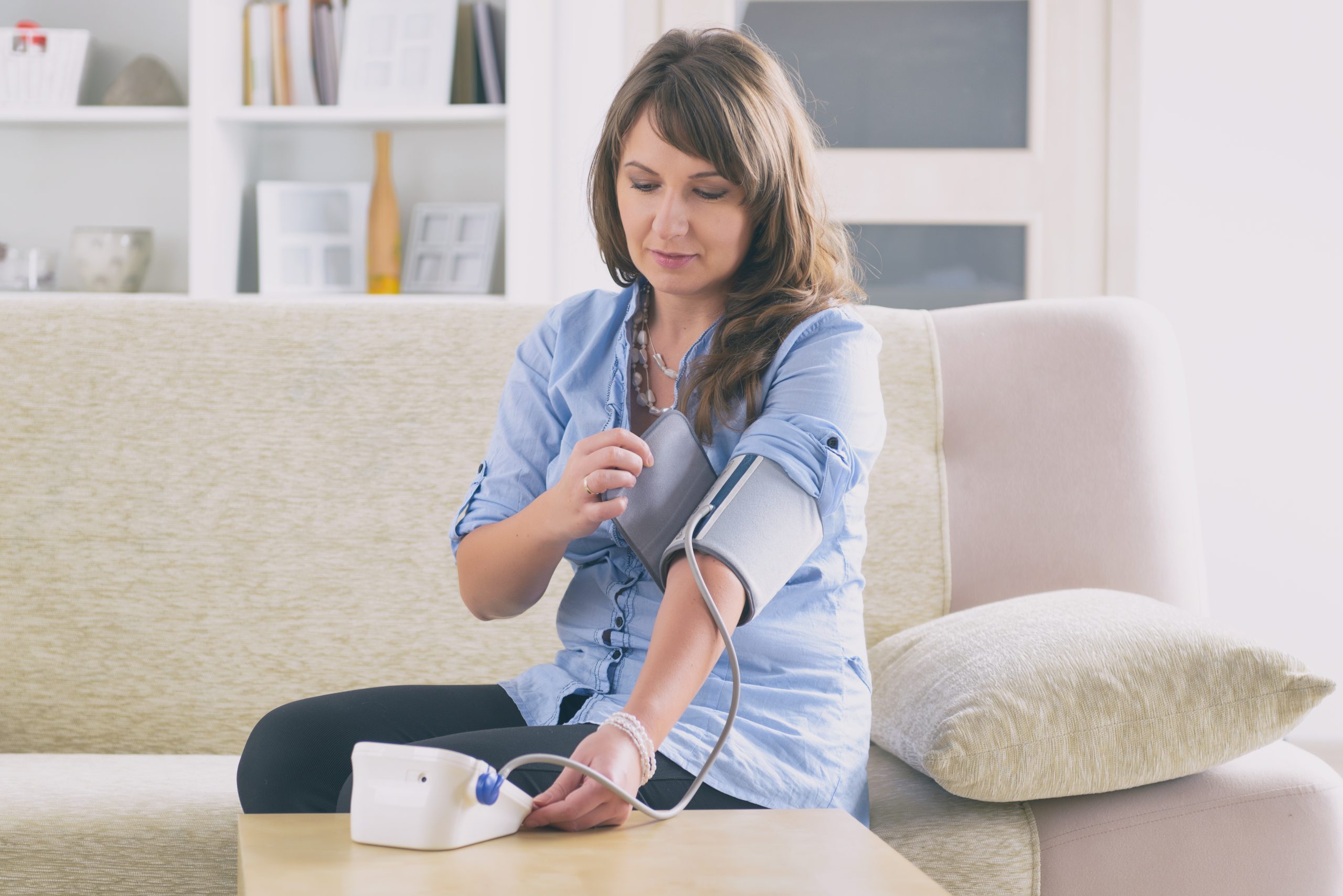
Home blood pressure monitoring. Keep a log; you and your doctor may notice a downward trend as you stay consistent with therapy.
Follow-up sleep studies. A repeat study can confirm apneas are controlled. For implantable devices like Inspire, there’s a calibration period to fine-tune therapy.
Checking treatment consistency. Many CPAP machines and implantable therapies track usage; reviewing this data flags whether adjustments are needed.
Symptom check-ins and annual visits. Feeling more rested and clearer-headed signals progress; regular ENT follow-ups keep treatment effective and comfortable as airway anatomy changes over time.
If your blood pressure isn’t improving as expected, treatment may need to be adjusted – a different mask, a better-fitting oral appliance, or another approach. The whole-airway evaluation an ENT provides is especially helpful here, since untreated nasal or throat obstruction can limit how well other treatments work.
Conclusion
The link between sleep apnea and high blood pressure is undeniable, and ignoring one makes the other harder to control. Each untreated night, repeated oxygen drops and stress surges push your blood pressure higher and strain your heart and blood vessels. Treating sleep apnea interrupts that cycle – and for many people, especially those with hard-to-control hypertension, it leads to real, measurable improvements.
Whether the right answer is CPAP, an oral appliance, or a surgical option, the first step is getting properly evaluated. At Texas Sinus and Snoring in Spring, TX, Dr. Ben Cilento can examine your entire airway, recommend appropriate testing, and develop a treatment plan tailored to you.
To learn more or schedule a sleep apnea evaluation, call (346) 413-9313.