The best alternative to CPAP for sleep apnea depends on the cause and severity of your airway obstruction, your anatomy, and your ability to use the therapy consistently. For people with mild-to-moderate obstructive sleep apnea, a custom oral appliance or positional therapy is often recommended. For those with moderate-to-severe obstruction who cannot tolerate a mask, nerve stimulation, such as Inspire, or a targeted procedure, like AIRLIFT or UPPP, may be a better fit after a comprehensive evaluation.
Determining the right path begins with a comprehensive evaluation by a sleep and snoring specialist, such as Dr. Ben Cilento.
Why Consider Alternatives to CPAP?
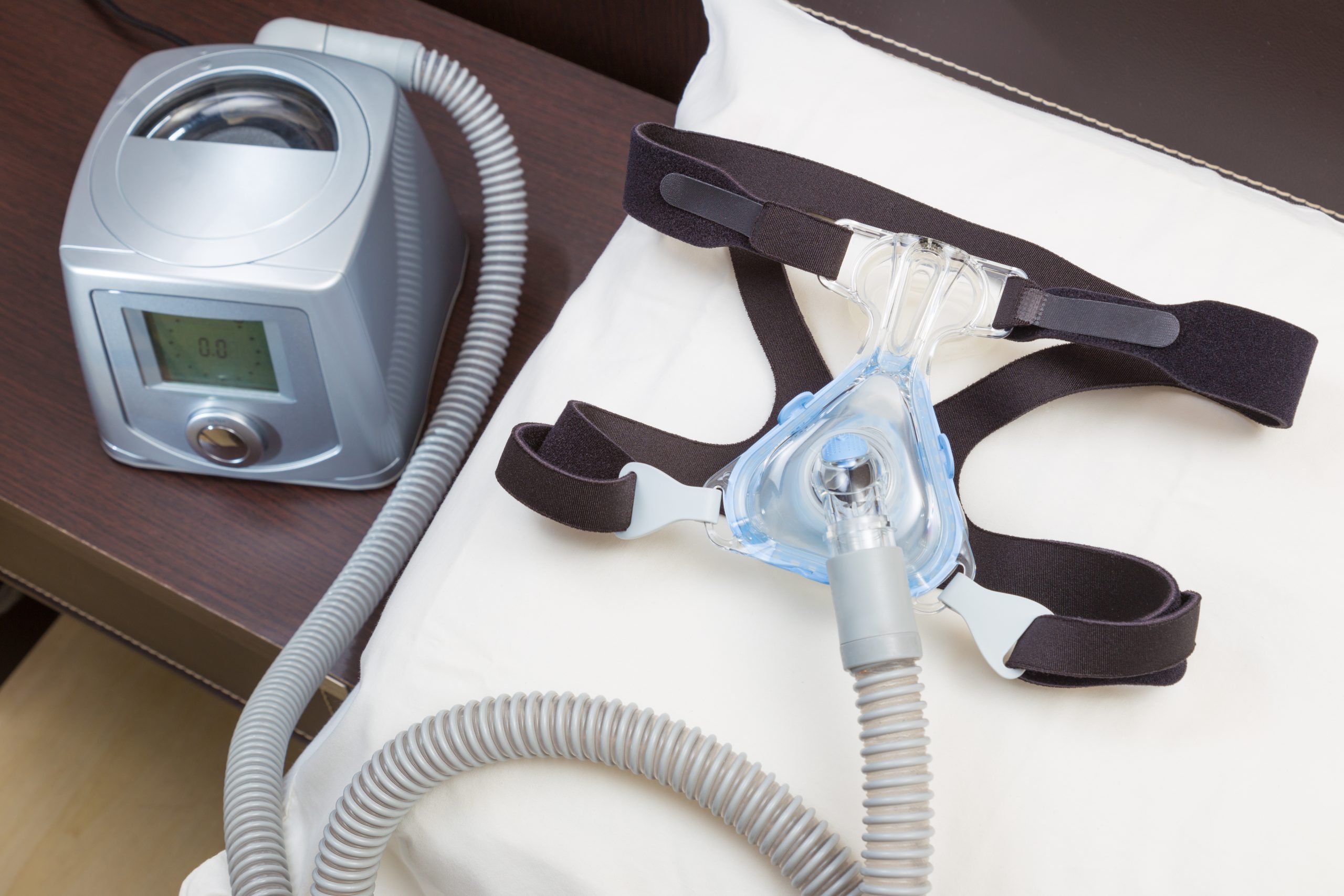
Continuous Positive Airway Pressure (CPAP) is often the first-line treatment for obstructive sleep apnea (OSA). It holds the airway open with a steady stream of pressurized air through a mask. CPAP works when it is used as prescribed, but a significant number of patients cannot use it consistently – a problem known as CPAP intolerance.
Common Challenges with CPAP
Patients stop CPAP for practical reasons, not because they do not care about their health. They often report:
Mask discomfort: The mask can leak, feel tight or claustrophobic, cause skin irritation, or leave marks on the face.
Air pressure issues: Some find it uncomfortable to exhale against the pressure. Dry mouth, dry nose, a stuffy nose, and air swallowing are common, especially if pressure is too high or too low.
Noise and disturbance: The machine can disrupt the user or a bed partner.
Inconvenience: Traveling with a bulky unit is a chore, and daily cleaning and maintenance add up.
Restricted movement: The hose can tangle, making it hard to change positions.
Nasal blockage makes all of this worse. A deviated septum, swollen turbinates, or a weak nasal valve can force mouth breathing under the mask.
Alternatives to CPAP Therapy
The sections below walk through the main alternatives available to patients at our practice in Spring, TX. Use them as a map, not a self-diagnosis. The right match still depends on your exam and your sleep data.
Oral Appliance Therapy
A custom oral appliance is often the first mask-free option for mild to moderate OSA and for people with strong snoring plus milder obstruction. It is worn in the mouth during sleep, much like a sports mouthguard, and it is removable in the morning.
How Oral Appliances Work
Most appliances hold the lower jaw slightly forward. That posture pulls the tongue and soft tissues of the throat away from the back of the airway, making the tongue less likely to collapse backward.
Types of Oral Appliances
There are several designs, all custom-made by dentists who work closely with sleep specialists:
Mandibular advancement devices: The most widely used. They attach to the upper and lower teeth and allow small, controlled forward movement of the lower jaw.
Tongue-retaining devices: A small suction bulb holds the tongue forward. They may help people who cannot advance their jaw due to dental issues.
Custom vs. over-the-counter: “Boil and bite” guards are not the same as a custom appliance fitted after a dental and airway exam.
The process involves precise impressions of your teeth. A custom device can be adjusted in small steps based on comfort and follow-up sleep testing.
Effectiveness and Suitability
Oral appliances are a well-established treatment for patients who snore or have mild-to-moderate OSA. It is also a viable option for some severe OSA patients who cannot use CPAP. Appliances are portable, silent, and easy to care for.
They may be less effective as sole therapy for severe OSA, very high body weight, or when collapse is at a site the jaw cannot influence. They can still be useful as part of a combined plan.
Positional Therapy
In some cases, sleep apnea is significantly worse when sleeping on the back (supine position). Gravity allows the tongue and soft palate to collapse backward more easily. If a sleep study shows events clustered on the back and far fewer on the side, positional therapy can be a real option, alone or with another treatment.
What Is Positional Therapy?
Positional therapy trains you to stay off your back. The old-fashioned method is sewing a tennis ball onto the back of a pajama shirt. Modern devices are more precise. They use a belt, a small wedge, or a wearable trainer that vibrates when you roll supine.
Positional Devices
Modern positional devices are FDA-cleared and designed for comfort. The Zzoma positional device is a lightweight belt worn around the chest or upper torso. A shaped insert sits at the back, making it uncomfortable to stay fully supine, so you tend to remain on your side.
Other wearables detect position and give a gentle cue rather than a bulky block. These tools are aimed at positional OSA, which should be confirmed on a study that records body position along with breathing.
Who Benefits from Positional Therapy?
You are more likely to benefit if:
Your events drop sharply when you are on your side
You can sleep on your side without pain
You do not have severe obstruction in every position
People with shoulder or hip pain may struggle to stay in a lateral position all night. Positional therapy can support an oral appliance or nerve stimulation by removing the worst sleeping posture. It is a poor stand-alone plan when apnea is severe in every position.
Myofunctional and Physical Therapy
This approach targets weak muscles in the tongue, throat, and mouth. Think of it as physical therapy for your airway. The tongue and the muscles of the face and throat are not passive tissue. They can be trained.
Strengthening Facial and Tongue Muscles
Exercises may include pressing the tongue to the roof of the mouth, holding specific swallow patterns, and training nasal breathing during the day. Stronger, better-positioned tongue muscles are less likely to fall back at night.
This work is slow. It is not a one-week fix. It is most useful as an add-on for milder disease, residual snoring, or after other treatment to support long-term muscle tone.
Myofunctional Therapy Explained
A trained therapist teaches a sequence of orofacial exercises and checks form. Sessions focus on daytime habits that carry into sleep: lips closed, tongue up, breathing through the nose.
If the nose is blocked, the therapy is harder to do well. That is another reason a nasal exam belongs in a sleep-apnea workup. Myofunctional therapy does not replace CPAP, an oral appliance, or surgery when obstruction is severe. It can still improve symptoms and support other care.
Weight Loss and Lifestyle Changes
For many individuals, excess weight is a major contributing factor to obstructive sleep apnea. Fat deposits can accumulate around the neck and in the throat tissues, narrowing the airway. Weight is not the only cause – thin people have apnea too – but it is a major, changeable factor for many adults.
In addition to weight management, other changes support better breathing during sleep:
Avoid alcohol and sedating medicines before bed; they relax throat muscles and make collapse more likely.
Quit smoking; it can cause inflammation and fluid retention in the upper airway.
Treat untreated allergies, which add congestion and mouth breathing.
Keep a consistent sleep schedule and sleep on your side.
None of these habits should delay a proper diagnosis if you already snore, gasp, or fall asleep in the daytime.
Nerve Stimulation Devices
Hypoglossal nerve stimulation is one of the most significant advancements in sleep apnea treatment. It is designed for people with moderate to severe OSA who cannot use CPAP. These systems work like a pacemaker for your tongue, activating the nerve that moves it to keep the airway open.
Inspire Sleep Therapy
Inspire Sleep Therapy is an internal implantable device. It consists of a small generator (similar to a pacemaker), a breathing sensor, and a stimulation lead.
During sleep, the system detects your natural breathing rhythm and sends a gentle pulse to the hypoglossal nerve. This mild stimulation causes the tongue to move forward just enough to keep the airway open. You turn therapy on with a small handheld remote before sleep and off in the morning. There is no mask and no hose.
Genio Sleep Therapy
Genio Sleep Therapy also targets the hypoglossal nerve, but the implanted portion is designed without an implanted battery. A small, biocompatible stimulator is placed under the chin and activated wirelessly by an external wearable or patch worn each night. In the morning, the wearable comes off.
Other Types of PAP Therapy
For some, the issue is not positive airway pressure itself, but the way standard CPAP delivers it. If the idea of “pressure” is acceptable but the current setup is not, a different PAP mode or interface may still work.
Alternatives to Standard CPAP
APAP (Automatic Positive Airway Pressure / Auto-PAP): Automatically raises and lowers pressure through the night based on real-time flow. Many people find this more comfortable than a fixed setting.
BiPAP (Bilevel Positive Airway Pressure): Uses a higher pressure when you breathe in and a lower pressure when you breathe out. This can feel easier and is often prescribed for patients who need higher pressures or have coexisting conditions.
Interface and comfort upgrades: A nasal pillow or nasal mask can replace a full-face mask if the mouth stays closed. Heated humidity and a well-fitted interface solve a large share of comfort complaints.
These are still PAP therapies. They belong in the conversation before you abandon pressure entirely, especially if your apnea is severe and other options are limited.
Surgical Solutions
When a specific, correctable anatomical issue is causing the blockage, surgery can be a highly effective, long-term solution. Dr. Ben Cilento, an experienced ENT surgeon, evaluates the nose, palate, tongue base, and neck as a single system rather than treating one structure in isolation.
UPPP (Uvulopalatopharyngoplasty)
UPPP addresses extra or collapsing tissue in the soft palate, uvula, and throat. It involves surgically removing or remodeling that tissue to enlarge the airway at that level.
It is selected when exam and sleep pattern point to palatal obstruction. It is often performed with a tonsillectomy if the tonsils also contribute, and it may be combined with nasal procedures if the nose is blocked as well. A sleep study after healing shows whether the airway is more stable.
AIRLIFT Procedure
The AIRLIFT procedure is a minimally invasive CPAP alternative offered at Texas Sinus and Snoring. It targets tongue-based obstruction by placing sutures that suspend and stabilize the tongue, supporting the hyoid and tongue-base region.
It is considered when collapse involves the tongue base or lateral walls rather than the palate alone. Patients who cannot use a mask and who have the right anatomic pattern are typical candidates for this discussion.
Other Surgical Approaches
A variety of other techniques can be used depending on the location of the obstruction:
Turbinate reduction: Shrinks swollen side walls in the nose.
Septoplasty: Straightens a crooked septum.
Nasal valve reconstruction: Stiffens collapse at the narrowest part of the nose.
Soft-tissue work: Can be added at the tongue or palate when those sites collapse.
Maxillomandibular advancement: Oral-maxillofacial surgery that repositions the jaw bones to enlarge the entire airway box. Reserved for selected patients with jaw deficiency or very severe disease after other options are reviewed.
These nasal breathing procedures reduce the work of breathing before air reaches the throat and can improve comfort with any sleep therapy. They may not cure OSA on their own if the main blockage is lower in the throat. The through-line is the same: operate on the failing structure, then retest sleep.
How to Choose the CPAP Alternative
The right choice is based on a combination of factors:
Severity of OSA: How often breathing stops and how low oxygen falls. A treatment for mild OSA may not be enough for severe OSA. Mild positional OSA is a different problem than severe obstruction in every posture.
Anatomy: The physical location of collapse – nose, palate, tonsils, tongue, jaw, or neck – is the single most important factor in selecting a surgical or device-based therapy. A large tongue and a narrow jaw point toward different tools than a floppy palate or a collapsed nasal valve.
Lifestyle and preferences: Your desire for a permanent solution versus a nightly device, travel schedule, dental health, personal comfort, and whether you sleep alone or with a partner all play a role.
Combined care is common. A patient may use an oral appliance after nasal breathing is improved. Another may use positional therapy with nerve stimulation. Lifestyle changes sit under every option.
Consulting with a Sleep Specialist
Start with current data. If your last study is old, or if your weight or symptoms have changed, repeat testing. An at-home study is often enough to document OSA and position. Bring CPAP download data if you have it; hours of use and residual events tell a clear story.
A consultation with an ENT surgeon like Dr. Ben Cilento is the definitive way to explore your options. Dr. Ben Cilento sees patients at Texas Sinus and Snoring in Spring, TX, and reviews how the nose, throat, and sleep-study pattern fit together. That visit is a good time to explore oral appliances, Inspire, Genio, AIRLIFT, UPPP, and nasal procedures.
Conclusion
There is no single best alternative to CPAP for sleep apnea – the right treatment depends on the severity of your OSA, where your airway collapses, your anatomy, and what you can use consistently. From custom oral appliances and positional therapy to nerve stimulation, AIRLIFT, UPPP, and other targeted procedures, several effective options may be available when CPAP is uncomfortable or not tolerated.
The best way to identify the right approach is through a comprehensive evaluation with a sleep and snoring specialist who can review your sleep study, anatomy, and treatment goals. With the right diagnosis and personalized plan, you can find an effective way to manage sleep apnea without relying on a treatment that does not work for you.