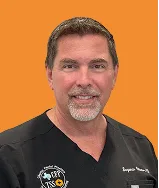
Sinus surgery is necessary when sinus problems persist for 12 weeks or longer, recur after medical treatment, or result from a physical blockage that medications cannot resolve. Signs you shouldn’t ignore include ongoing inflammation, infection, nasal polyps, or structural issues like a deviated septum that prevent normal drainage and do not respond to standard therapies.
Many people in the Spring, TX, area live with stuffy noses, facial pressure, and poor sleep for months before realizing the problem is more than a stubborn cold.
Understanding Sinusitis
Your sinuses are hollow, air-filled cavities in the forehead, cheeks, and around the nose and eyes. Lined with mucus-producing tissue, they warm, moisten, and filter the air you breathe, and they drain into the nose through small openings called ostia.
Sinusitis occurs when this lining becomes inflamed and swollen. The ostia swell shut, mucus gets trapped, and bacteria, viruses, or fungi can thrive in that stagnant fluid, leading to infection, pressure, pain, or a heavy face.
Your sinuses do not work in isolation. They share space with the nasal septum, the turbinates (the structures that humidify air), and the nasal valves that control airflow.
Allergies can keep the lining inflamed.
A deviated septum can crowd one side of the nose.
Large turbinates can block the path mucus needs to take.
A short bout of sinusitis is common after a cold. Most people get better with rest, saline rinses, and time. The trouble starts when the lining stays swollen, the openings stay blocked, and another round of antibiotics or spray cannot fix a drainage path that is physically closed.
When to Consider Sinus Surgery
Surgery is not the first step. It is the step you take when conservative treatments have been tried, and the sinuses still cannot drain. The goal of sinus surgery is to open the natural drainage pathways so that mucus can drain, air can enter, and medication can reach the lining that needs it.
When Medication Alone Isn’t Enough
Before recommending surgery, an ENT surgeon like Dr. Ben Cilento will ensure that a patient has completed maximal medical therapy – a comprehensive regimen designed to resolve sinusitis without surgery. If your condition does not improve, it strongly suggests that a physical blockage is the root cause.
Maximal medical therapy typically includes a combination of the following for several weeks:
Antibiotics: a prolonged course (often 3–4 weeks) of a broad-spectrum antibiotic to clear persistent bacterial infection
Nasal corticosteroid sprays to reduce inflammation in the nasal and sinus lining
Oral steroids, such as a short course of prednisone, to dramatically reduce swelling, especially if nasal polyps are present
Daily saline irrigation with a neti pot or sinus rinse bottle to flush mucus, allergens, and irritants
Allergy management, including antihistamines, allergy shots (immunotherapy), or environmental controls
These treatments fail for a few predictable reasons:
The spray never reaches the sinus. If the middle meatus – the main drainage corridor – is blocked by a polyp, a bent septum, or a swollen turbinate, medicine sits in the front of the nose.
The infection clears, but the opening stays narrow. Antibiotics cannot widen a bony opening that is too small.
Allergies are treated, but structure is not. Controlling allergies is essential, yet not enough if a crooked septum or large turbinates keep one side shut.
You cannot stay on “sick-day” treatment forever. Frequent antibiotics carry their own downsides. Repeated oral steroids affect sleep, mood, blood sugar, and bone health.
Medicine treats inflammation and infection. Surgery treats drainage. You often need both. Surgery is considered when drainage is the missing piece.
Severe Nasal Polyps
Nasal polyps are soft, noncancerous, teardrop-shaped growths that develop on the lining of the nasal passages or sinuses. They look like peeled grapes. They are not painful to the touch, but they take up space and are often tied to chronic inflammation from asthma, allergies, aspirin sensitivity, or certain immune disorders.
When small, polyps may not cause symptoms and may shrink with steroid sprays or a short course of oral steroids. As they grow or appear in clusters, they can fill the nasal cavity, hide normal landmarks, and block every sinus from draining:
Severe nasal obstruction that forces you to breathe through your mouth
A complete or near-complete loss of the sense of smell
Constant post-nasal drip and a runny nose
Intense facial pressure or pain
Polyps tend to come back if the underlying inflammation is not controlled and the sinuses remain closed. For extensive or recurring polyps, Functional Endoscopic Sinus Surgery (FESS) is often necessary. During this procedure, Dr. Cilento can precisely remove the polyps and open the nasal passages so rinses and sprays can finally reach the lining.
Structural Abnormalities
Your unique facial anatomy plays a huge role in sinus health. A structural abnormality in your nose can block airflow and cause mucus to build up. These issues are often present from birth, can result from trauma or prior surgery, or simply reflect the way your face grew.
Common structural problems that may require surgery include:
Deviated septum. The septum is the thin wall of bone and cartilage that divides the nasal cavity. A severe deviation can block one or both sides of the nose and a sinus drainage pathway. Septoplasty straightens that wall so both sides can function.
Enlarged turbinates (turbinate hypertrophy). Turbinates warm and humidify air. Allergies or chronic irritation can cause them to become permanently swollen, filling the nasal passage. A turbinate surgery reduces the size of the turbinate and opens the airway.
Nasal valve collapse. The nasal valve is the narrowest part of the nasal airway, near the tip and sidewalls. If the cartilage is weak or pinched, it can collapse inward when you inhale. This can be corrected with nasal valve reconstruction.
Concha bullosa. An air pocket forms within one of the turbinates, enlarging it and blocking the sinus ostia.
Narrow or closed sinus ostia. The natural drainage openings can be too small or closed by thin bone and swollen tissue. Opening those pathways is the point of FESS. The word “functional” matters: the aim is to restore the way the sinus was designed to drain, not to remove the sinus.
How to Know If You Need Sinus Surgery
Self-diagnosing the need for surgery is impossible. Our team can decide it after a structured evaluation that includes your history, an examination of the nose, and, when needed, a CT scan.
What a Sinus Evaluation Involves
When you visit Texas Sinus and Snoring for a sinus consultation, Dr. Ben Cilento performs a comprehensive evaluation to get a complete picture of your sinus health.
Detailed medical history and symptom review. How long have symptoms lasted? How many infections have you had this year? What medicines have you used, for how long, and with what result? Do you have asthma, allergies, or a loss of smell? Do you snore or wake unrefreshed? Dr. Cilento will also want to understand how sinus issues are impacting your sleep, work, and quality of life.
Nasal endoscopy. A nasal endoscope is a very thin, flexible or rigid tube with a light and a high-definition camera on the end. After a decongestant and a numbing spray, it is gently passed into the nasal passages for a direct, magnified view of the septum, turbinates, middle meatus, and sinus drainage pathways. Dr. Cilento can identify inflammation, polyps, a deviated septum, scarring, or purulent drainage that a standard mirror exam at the front of the nose cannot show.
Computed tomography (CT) scan. A CT scan uses X-rays to create detailed, cross-sectional images of your sinus anatomy. It provides a “road map,” showing which sinuses are filled or thickened, how the septum sits, the exact location and severity of blockages, and any anatomical variations. It is the definitive tool for visualizing the sinus cavities that cannot be seen with an endoscope. The scan is read in the context of your symptoms.
Allergy assessment. This may be part of the same workup if your history points that way. Untreated allergies keep the lining swollen after any procedure. Identifying them early makes both medical care and surgical planning more accurate.
At Texas Sinus and Snoring, Dr. Ben Cilento uses this evaluation to determine whether you are a candidate for options such as balloon sinuplasty or sinus surgery (FESS). Balloon sinuplasty is considered when the main issue is a narrow opening that can be widened while preserving tissue. Endoscopic sinus surgery is considered when polyps, more extensive disease, or certain anatomic problems need a wider, more complete opening. Septoplasty is added when the septum itself is part of the blockage.
A sinus quiz can organize your symptoms before you sit down with an ENT surgeon. It is not a diagnosis. It is a way to put your pattern into words so the visit is focused.
Seeking Professional Help
Seeing your primary care physician is a good first step. If symptoms have lasted more than 12 weeks, keep returning several times a year, include a lasting loss of smell, or persist despite initial treatments, it is time to see an ENT surgeon who specializes in sinus and nasal disorders.
Bring a list of what you have already tried. Include sprays, rinses, antibiotics, allergy medicines, and how long you used each one. Bring any prior CT scans you have. Note whether one side of the nose is always worse, and whether weather, pollen, or lying down changes your symptoms.
Dr. Cilento has dedicated his practice in Spring, TX, to helping patients find lasting solutions for sinus, snoring, and nasal breathing problems.
You can request a visit by calling 346-413-9313.
Online appointment requests are reviewed by staff, who then confirm a time or offer another option.
If you send an inquiry, expect a phone follow-up so questions can be answered before the visit is set.
You do not need to arrive certain that you want surgery. Many people leave with a stronger medical plan and no procedure. Others leave with a clear reason that a targeted surgery would restore drainage.
Conclusion: Taking the Next Steps for Sinus Relief
Living with chronic sinus symptoms can affect your breathing, sleep, and quality of life, but surgery is not always the answer. When symptoms persist despite appropriate medical treatment, recur frequently, or are caused by structural blockages or severe nasal polyps, an ENT evaluation can help identify the underlying problem and determine the most effective treatment. If you have been dealing with ongoing congestion, facial pressure, recurrent infections, or loss of smell, do not ignore the signs. A thorough evaluation can help you understand your options and take the next step toward clearer breathing and lasting sinus relief.