Pages
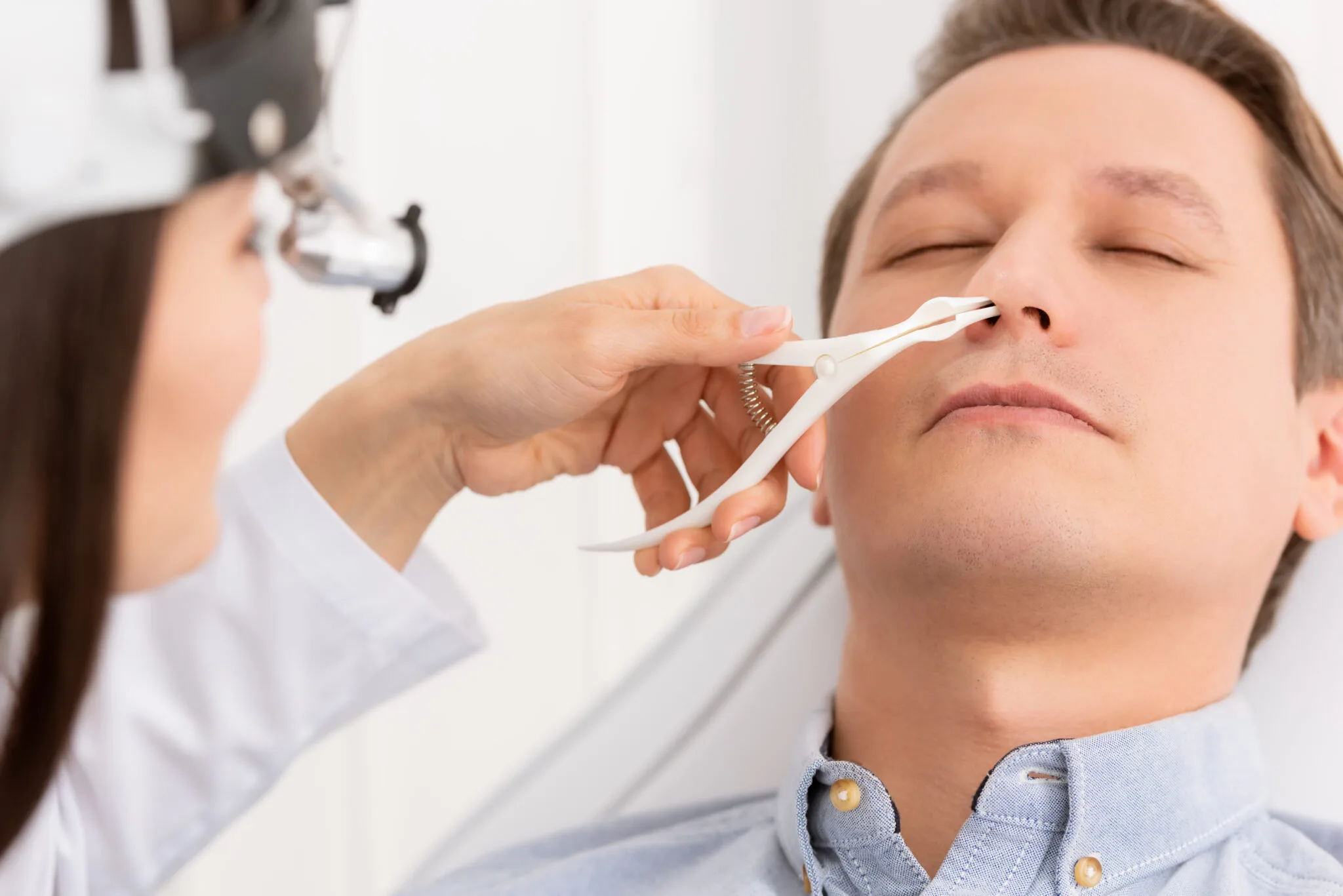
ENT doctor using a nasal speculum to check a patient's nose during a turbinate reduction follow-up

Turbinate Reduction Recovery: A Week-by-Week Guide

Most people are back to desk work and light daily activity within a few days of turbinate reduction. Congestion, crusting and some drainage are normal for the first one to two weeks, and the full gain in nasal airflow usually shows over the next four to eight weeks as the inside of the nose finishes healing. This guide walks through what each stage feels like, what to do and what to avoid, and when to call the office.

If you want the details of the procedure itself, our turbinate reduction page explains how it is done. This article is only about the weeks after.

Why Turbinate Reduction Recovery Is Usually Quick

At Texas Sinus and Snoring, turbinate reduction is done entirely through the nostrils, with no outside incisions or visible scars. Dr. Ben Cilento typically uses a microdebrider to remove excess tissue from inside the turbinate while keeping the outer lining intact. That lining is what warms, filters and moistens the air you breathe, so protecting it is a big part of why most patients heal quickly and keep normal nasal function.

Your timeline depends on two things: the technique used and whether anything else was done in the same session. A turbinate reduction on its own is the lightest recovery. When it is combined with a septoplasty for a deviated septum, or with removal of a concha bullosa, plan on the longer end of each range below.

Turbinate Reduction Recovery, Week by Week

Day of Surgery

Depending on your plan, the procedure is done under local anesthesia, light sedation or general anesthesia. If you had sedation or general anesthesia, you will need an adult to drive you home and stay with you that evening. Expect a stuffy, full feeling and some light, blood-tinged drainage. A small gauze pad under the nose (a drip pad) catches it. Rest with your head raised on two or three pillows or in a recliner.

Days 1 to 3

This is usually the most congested stretch. Swelling inside the nose can make it feel more blocked than it did before surgery, which surprises a lot of patients. That temporary blockage is part of healing and does not mean the surgery did not work. Drainage may be clear or lightly blood-tinged and should taper off on its own.

  • Keep your head elevated, including while you sleep.
  • Start saline sprays or rinses when your instructions say to.
  • Run a cool-mist humidifier at night to keep the nose from drying out.
  • Take only the pain medicine your surgeon approved. Many patients need very little.

Days 4 to 7

Discomfort usually eases and most people feel ready for desk work, school or errands. Congestion and crusting are still common. Saline rinses become the most important habit of the week because they clear the crusts and help the lining heal. You will usually have a follow-up visit in the first week or two so the inside of the nose can be checked and cleaned if needed.

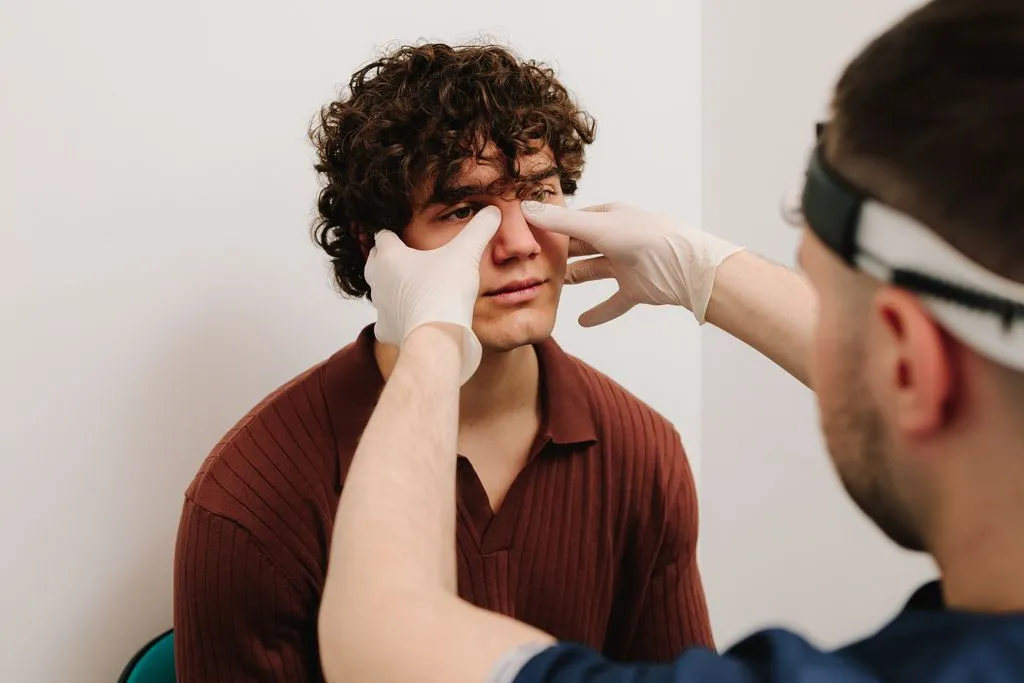
Clinician with a headlamp examining a young man's nose at a post-surgery follow-up visit

Weeks 2 to 3

Breathing starts to open up as swelling goes down. Some crusting can continue, and you may still have a stuffy day now and then, especially if allergies are active. Most patients can return to normal routines, and light exercise such as walking is usually fine. Ask before going back to heavy lifting, running or contact sports.

Weeks 4 to 8

The lining has largely healed and the airway reaches its new size. This is when most people notice the full difference: easier nose breathing during the day, less mouth breathing at night and, for many, quieter sleep. If you had radiofrequency reduction, the tissue continues to shrink gradually over these weeks, so improvement can feel slower at first.

What Not to Do After Turbinate Surgery

Your written instructions from our office come first. These are the general rules most ENT surgeons give for the first one to two weeks:

  • Do not blow your nose. Gently wipe drainage instead, and sneeze with your mouth open.
  • Do not take blood thinners or anti-inflammatory pain relievers such as aspirin or ibuprofen unless your surgeon says it is safe. They raise the risk of bleeding.
  • Do not lift heavy objects, bend over for long periods or do hard workouts. Raised blood pressure in the head can start bleeding.
  • Do not smoke or vape. Smoke dries and irritates the healing lining.
  • Do not fly or swim until you have been cleared at your follow-up.

If you are also recovering from septoplasty, our guide to exercise after septoplasty covers when to restart workouts, and sleeping after nose surgery has tips for the first nights.

When to Call the Office

A little blood-tinged drainage is normal. Call Texas Sinus and Snoring if you notice any of the following:

  • Bright red bleeding that does not slow after 10 to 15 minutes of sitting upright, leaning forward and pinching the soft part of the nose
  • A fever over 101°F
  • Pain that gets worse after the first few days instead of better
  • Thick, foul-smelling discharge or new swelling of the nose or face

For heavy bleeding that will not stop or any trouble breathing, call 911.

Turbinate Reduction Recovery FAQs

How long does it take to fully recover from turbinate reduction?

Most patients feel back to normal in one to two weeks. The inside of the nose keeps healing for about four to eight weeks, which is when breathing improvement is usually complete.

Why does my nose feel more blocked right after surgery?

Swelling and crusting inside the nose narrow the airway for the first several days. It is expected and improves as the lining heals. Saline rinses speed this up.

Do turbinates grow back after turbinate reduction?

Some regrowth over the years is possible, especially when allergies keep the lining inflamed. Treating allergies after surgery helps protect the result. Our allergy services include testing and immunotherapy.

What is the downside of turbinate reduction?

The main trade-offs are a week or two of congestion and crusting, a small risk of bleeding, and the chance that symptoms return if the turbinates enlarge again. Removing too much tissue can cause dryness, which is why Dr. Cilento’s approach reduces tissue from inside the turbinate and preserves the lining.

When can I go back to work?

Most people return to desk work within a few days. Jobs with heavy lifting or physical strain usually need one to two weeks. If your turbinate reduction was combined with septoplasty or sinus surgery, plan for the longer end.

Planning Your Turbinate Reduction

If constant nasal congestion is not responding to sprays or allergy medicine, enlarged turbinates may be the cause. Dr. Ben Cilento and the team at Texas Sinus and Snoring in Spring, TX can examine your nose, check for a deviated septum or concha bullosa, and tell you which treatment fits. Your aftercare plan covers saline rinses, activity limits and follow-up visits, so you know what to expect at each stage of recovery.

Male physician smiling in black scrubs with Texas Sinus and Snoring logo

About the Author

Dr. Ben Cilento, ENT

Dr. Ben Cilento is a globally recognized expert in sinus care, and sleep apnea treatments. With over two decades of experience, he has lectured in 10 countries, published extensively, and served as a key advisor in setting medical guidelines.
Ready to Breathe Freely Again?
Man in black medical scrub with Texas Sinus & Snoring logo, circular orange background headshot
By Dr. Ben Cilento, ENT
November 9, 2026