UPPP Surgery in Houston, TX
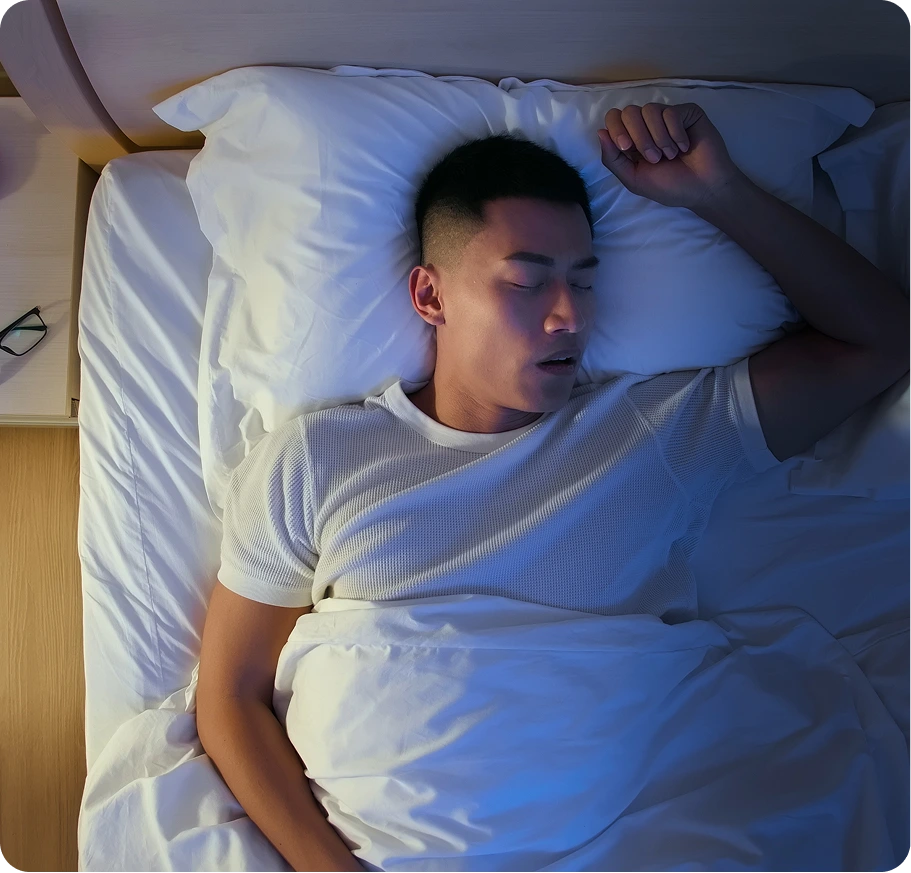
Struggling with loud snoring, restless sleep, or ongoing fatigue from obstructive sleep apnea can take a serious toll on your health, relationships, and quality of life. For patients in Houston who haven’t found relief with CPAP therapy or other conservative treatments, uvulopalatopharyngoplasty (UPPP) surgery may offer a lasting solution. If you’re concerned about persistent snoring, choking or gasping at night, daytime drowsiness, or the long-term health risks associated with untreated sleep apnea, UPPP could be an important step toward more restorative sleep.
What Is UPPP Surgery?
Uvulopalatopharyngoplasty, or UPPP, is a surgical procedure that treats sleep apnea by removing excess tissue in the throat and, as a result, widens the airway. This allows air to move through the throat more easily when patients breathe, effectively reducing the symptoms of snoring and sleep apnea.
Your Initial Consultation
Your initial consultation is a critical first step in determining whether UPPP is the right solution for your symptoms and sleep concerns. To achieve excellent results with UPPP surgery, Houston residents must first undergo a comprehensive evaluation that carefully assesses airway anatomy, sleep study findings, and overall health. If you’ve been diagnosed with obstructive sleep apnea (OSA) or experience symptoms such as loud snoring, frequent awakenings, or a chronic morning sore throat, your provider will review your history and discuss prior treatments like CPAP. This in-depth visit allows your specialist to confirm candidacy for surgery and develop a personalized treatment plan tailored to your specific needs and long-term goals for healthier, more restorative sleep.
The UPPP Procedure
Anesthesia
Tissue Removal
During the UPPP procedure, tissue may be removed in order to expand the airway. Tissue may be removed from the following areas:
Uvula, or the finger-shaped tissue that hangs downward from the roof of the mouth into the throat
Soft palate, or the rear portion of the roof of the mouth
Throat
Tonsils or Adenoids
The surgeon may use either a scalpel or newer laser methods, such as LAUP, or Laser-Assisted Uvulopalatoplasty, in order to perform the UPPP. This laser technique is more precise, less invasive, and also has a higher rate of success than UPPP.
The amount of tissue removed will depend upon the location and severity of each patient’s individual condition. If an enlarged tongue is a factor in the patient’s sleep apnea, the doctor may also remove a small portion of the tongue, which is called a uvulopalatopharyngoglossoplasty.
Repeat Procedures
Recovery usually takes about three weeks, during which time patients may experience difficulty swallowing. After the procedure, a sleep study may be required to determine if sleep apnea has improved. Recovery Timeline
Days 1–3
Week 1
Week 2
Week 3
Follow-Up
Candidates For UPPP Surgery
- Excess tissue in the nose, mouth, or throat that blocks the airways and causes breathing abnormalities
- Those for whom lifestyle changes and conservative treatments have failed
- Those who are unable to tolerate the CPAP, or Continuous Positive Airway Pressure treatment
Benefits of UPPP Surgery
- Reduces airway obstruction
- Decreases the frequency and intensity of loud snoring
- Improves airflow during sleep
- May improve daytime alertness and reduce fatigue
- Supports better overall sleep quality
- Can lower the health risks associated with untreated sleep apnea
Considerations & Risks of UPPP
While this procedure is considered safe, it is not recommended as an initial treatment and is used more as a last resort. Patients should consider non-surgical treatments before choosing surgery.
UPPP has been found to alleviate snoring in many patients who have had this surgery, but results with sleep apnea vary from patient to patient.
Like any other surgical procedure, there are certain risks associated with the UPPP procedure, which may include:
- Swelling
- Infection
- Pain
- Difficulty swallowing
- Bleeding
- Speech problems, or a change to a more nasal quality of speech
- Changes in food taste
While the procedure may be successful, the patient may still require CPAP treatment. The doctor will discuss these risks and address any concerns prior to the procedure.
Cost of UPPP Surgery in Houston, TX
The cost of UPPP surgery in Houston typically ranges from $6,000 to $12,000, depending on the surgeon’s fees, anesthesia, facility costs, and the complexity of the procedure. Pricing can also vary based on whether the surgery is performed in a hospital or an outpatient surgical center and whether additional procedures are completed at the same time.
In many cases, UPPP is covered in part by insurance when it is deemed medically necessary to treat obstructive sleep apnea, though out-of-pocket expenses will vary based on your specific plan and deductible. A personalized consultation is the best way to receive an accurate estimate tailored to your needs.
Schedule Your Nasal Surgery Today!
If chronic congestion, snoring, or breathing difficulties are interfering with your daily life, now is the time to take the next step. Our experienced sleep specialist will evaluate your symptoms, discuss your goals, and recommend the most effective surgical solution to help restore comfortable breathing and better rest. Improving nasal airflow doesn’t just enhance sleep – it can also support your overall health and quality of life. Schedule your nasal surgery consultation today and start breathing easier with confidence.