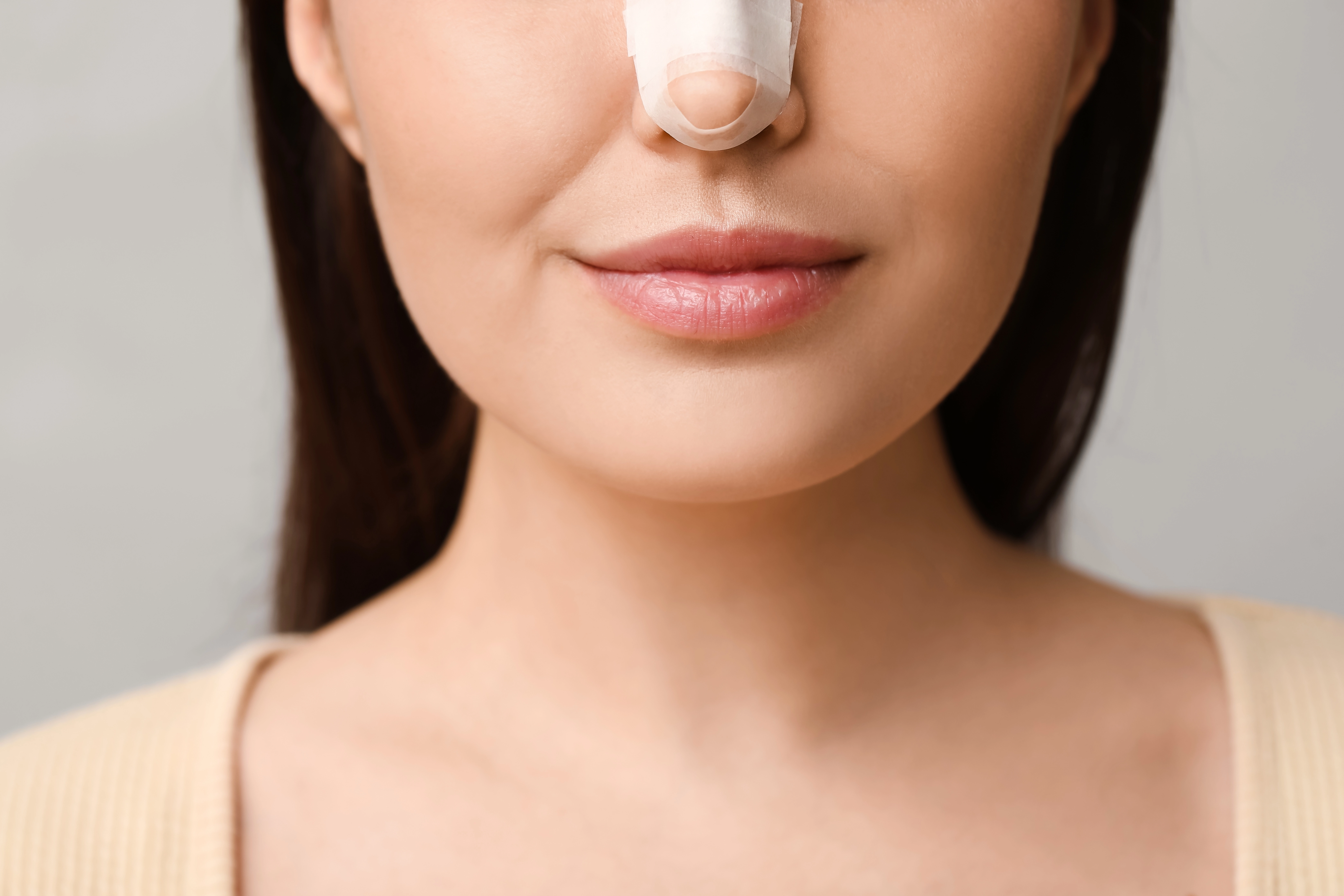
Yes. Septoplasty and rhinoplasty are often performed together in one surgery, and for many patients this is the most practical way to improve both breathing and the look of the nose. At Texas Sinus and Snoring, Dr. Ben Cilento, ENT Surgeon, treats the nose as one connected structure. The inside affects how you breathe, and the outside affects how the nose looks and holds its shape. When both need attention, a combined plan can address them at the same time.
Many patients ask us, “Can You Combine Septoplasty and Rhinoplasty?” This article explains what each procedure does, why they are paired, who tends to benefit, and what recovery usually looks like.
What Are Septoplasty and Rhinoplasty?
These two procedures share a location but serve different goals. Understanding the difference helps you know which one you need, or whether you need both.
Septoplasty: Purpose and Procedure
The septum is the wall of cartilage and bone that divides the left and right sides of your nose. When it leans or bends to one side, it is called a deviated septum. A deviated septum can narrow one or both airways.
Common signs include:
Trouble breathing through one or both nostrils
Ongoing stuffiness that does not clear with sprays or allergy treatment
Snoring or noisy breathing at night
Frequent sinus pressure or infections
Mouth breathing during sleep
Septoplasty straightens the septum to open the nasal passages. It is a functional procedure. Its main purpose is to help air move freely through the nose, and on its own it usually does not change how the nose looks from the outside.
Rhinoplasty: Purpose and Procedure
Rhinoplasty reshapes the outer structure of the nose. It can refine the bridge, adjust the tip, correct a crooked appearance, or improve balance with the rest of the face. Rhinoplasty can also support breathing by strengthening weak areas of the nose that collapse when you inhale.
We offer several types of rhinoplasty, including open, closed, and tip rhinoplasty. Primary rhinoplasty is for patients having nose surgery for the first time. Revision rhinoplasty focuses on restoring proper nasal function and correcting aspects of a previous result.
Why Combine Septoplasty With Rhinoplasty?
The septum is more than a divider. It also acts as a central support beam for the nose. Because of this, changes to the inside often affect the outside, and the reverse is also true. Planning both together lets Dr. Ben Cilento consider the full structure at once.
Common Reasons for Combining Procedures
Patients often choose a combined approach for these reasons:
They have both a breathing problem and a cosmetic concern. A patient may struggle to breathe through one side and also dislike a bump or droop in the nose.
The nose looks crooked because the septum is crooked. A deviated septum can pull the outer nose off center. Straightening the septum is often part of straightening the nose.
The septum supplies support material. Septal cartilage is commonly used to support or reshape other parts of the nose during rhinoplasty.
Other airway issues are present. Some patients also benefit from turbinate reduction, which can be planned into the same surgery when appropriate.
Who Is a Good Candidate?
You may be a good candidate for combined surgery if you:
Have nasal blockage linked to a deviated septum
Want to change the size, shape, or symmetry of your nose
Have tried medications or sprays without lasting relief
Are in good general health
Have a fully developed nose and realistic goals
Every nose is different. A careful exam is the only way to confirm whether combined surgery makes sense for you.
Benefits of Combining Septoplasty and Rhinoplasty
If you have wondered, “Can You Combine Septoplasty and Rhinoplasty?” the next question is usually whether you should. For the right patient, combining the two offers several advantages:
One surgery and one anesthesia session. You address function and appearance together rather than scheduling two separate operations.
One recovery period. Swelling, rest, and time away from normal activity happen once.
A more unified result. Because the septum supports the nose, treating both together helps the outer shape and inner airway work as one system.
Better long-term breathing. A nose that looks better but still blocks airflow is only half solved. Combined surgery aims for a nose that both looks and works the way you want.
A single treatment plan. Dr. Ben Cilento’s background as an ENT Surgeon means breathing function stays central to every plan, including cosmetic changes.
A patient shares her experience before and after primary rhinoplasty, septoplasty and turbinoplasty with Dr. Ben Cilento.
What to Expect During Combined Surgery
Combined septoplasty and rhinoplasty is typically done as a single outpatient surgery under anesthesia. Most patients go home the same day with a trusted adult to drive them and help during the first night.
The length of surgery depends on how much work is needed. A simple septal correction paired with minor tip changes takes less time than a full reshaping with added airway work. Dr. Ben Cilento will explain the plan for your specific case ahead of time so you know what is being done and why.
After surgery, you can expect some nasal packing or internal splints, an external splint on the nose, and mild drainage for a few days. Our team gives you clear aftercare instructions before you leave.
Recovery After Combined Septoplasty and Rhinoplasty
Recovery from combined surgery is similar to recovery from rhinoplasty alone. The septoplasty portion usually adds little extra downtime because both heal on the same schedule.
Typical Recovery Timeline
Days 1 to 3: Expect congestion, swelling, and mild discomfort. Breathing through the nose may feel blocked because of swelling and splints. Rest with your head raised.
Week 1: External splints are usually removed around the end of the first week. Bruising around the eyes begins to fade.
Weeks 2 to 3: Most patients return to desk work and light daily activities. Visible bruising is usually gone, though some swelling remains.
Weeks 4 to 6: Many patients gradually return to exercise with clearance from Dr. Ben Cilento. Breathing continues to improve as internal swelling goes down.
Months 3 to 12: Swelling slowly settles, especially at the tip. The final shape of the nose becomes clear over this period.
Tips for a Smooth Recovery
Sleep with your head raised for the first week or two.
Use cold compresses on the cheeks and around the eyes, not directly on the nose.
Avoid blowing your nose until you are cleared to do so.
Use saline sprays as directed to keep the inside of the nose moist.
Skip heavy lifting, bending, and hard exercise until you are cleared.
Wear glasses carefully or avoid resting them on the bridge of your nose.
Protect your nose from the sun while it heals.
Keep every follow-up visit so Dr. Ben Cilento can track your healing.
FAQs About Recovery
Many patients want to know when they will breathe better. Some notice easier airflow once splints come out, but full improvement often takes several weeks as internal swelling fades.
Patients also ask when they will look normal in public. Most feel comfortable around others after about two weeks, once bruising has cleared.
Pain is another common concern. Most patients describe the discomfort as pressure and stuffiness rather than sharp pain. It usually improves within the first several days.
Is Combining Septoplasty and Rhinoplasty Right for You?
A combined procedure is a strong option when breathing problems and appearance concerns exist together. If your main issue is blockage alone, septoplasty by itself may be enough. If your airway is clear and your goals are purely cosmetic, rhinoplasty alone may fit better. The right answer depends on your anatomy and goals.
Consultation and Evaluation
During your consultation, Dr. Ben Cilento examines both the inside and outside of your nose. He looks at the septum, the nasal valves, the turbinates, and the overall shape of the nose. He will also ask about your breathing, sleep, sinus history, and what you would like to change about your appearance.
From there, he explains whether a combined approach fits your needs and which procedures would be included. You leave with a clear picture of your options and a plan built around both how your nose works and how you want it to look.
Conclusion
Septoplasty and rhinoplasty can be safely planned together in one surgery. Septoplasty opens the airway, rhinoplasty reshapes the nose, and combining them means one surgery and one recovery. At Texas Sinus and Snoring, Dr. Ben Cilento builds each plan around both breathing and appearance, so patients in Spring, TX can address function and form at the same time.
About the Author
Dr. Ben Cilento, ENT
Dr. Ben Cilento is a globally recognized expert in sinus care, and sleep apnea treatments. With over two decades of experience, he has lectured in 10 countries, published extensively, and served as a key advisor in setting medical guidelines.