Custom vs. Over-the-Counter Sleep Apnea Mouth Guards: Key Differences
A custom sleep apnea mouth guard is made from impressions of your own teeth, adjusted over time, and matched to a confirmed diagnosis. An over-the-counter guard is a mass-produced device you shape at home and use without medical oversight. For obstructive sleep apnea, that gap matters. Custom oral appliances hold the lower jaw in a measured, adjustable position. Most store-bought guards are built to quiet snoring, not to treat a breathing disorder. This article explains Custom vs. Over-the-Counter Sleep Apnea Mouth Guards: Key Differences in fit, comfort, effectiveness, and durability, so you know what to ask before choosing a device.
At Texas Sinus and Snoring, Dr. Ben Cilento, ENT Surgeon, treats snoring and sleep apnea in patients from Spring and nearby communities. Oral appliance therapy is one of several options we use. Our goal is to help each patient breathe and sleep better with a plan built around their diagnosis and anatomy.
What Are Sleep Apnea Mouth Guards?
Sleep apnea is a serious sleep disorder in which breathing repeatedly stops and starts during sleep. The most common type is obstructive sleep apnea, or OSA. It happens when the throat muscles relax during sleep and block the airway again and again. Each pause can lower oxygen levels and pull you out of deep sleep, even if you never fully wake up.
A sleep apnea mouth guard is a small device worn over the teeth at night. Its job is to keep the airway open. Most do this by moving the lower jaw slightly forward. When the jaw moves forward, the tongue and soft tissues at the back of the throat move with it. That creates more room for air to pass. These devices are called mandibular advancement devices. A less common design, the tongue-retaining device, holds the tongue forward with gentle suction.
These appliances target a physical blockage. That means they are designed for obstructive sleep apnea. Central sleep apnea is different. It occurs when the brain fails to send proper signals to the muscles that control breathing. A mouth guard cannot fix a signaling problem. Some patients have complex sleep apnea syndrome, which combines both types. They need a full evaluation before any device is chosen.
Snoring and sleep apnea are also not the same. Snoring is the sound of air moving past partly blocked tissue. Sleep apnea involves actual pauses in breathing. Many people with OSA snore, but not everyone who snores has OSA. This is one of the main reasons the custom versus store-bought question matters. A device that quiets snoring may not be treating the condition underneath it.
Dr. Ben Cilento of Texas Sinus & Snoring explains the difference between snoring and sleep apnea.
Types of Mouth Guards: Custom vs. Over-the-Counter
Both custom and over-the-counter devices sit in the mouth and aim to move the jaw or tongue. Beyond that shared idea, they differ in how they are made, how they fit, and how closely they match your needs.
Custom-Fit Oral Appliances
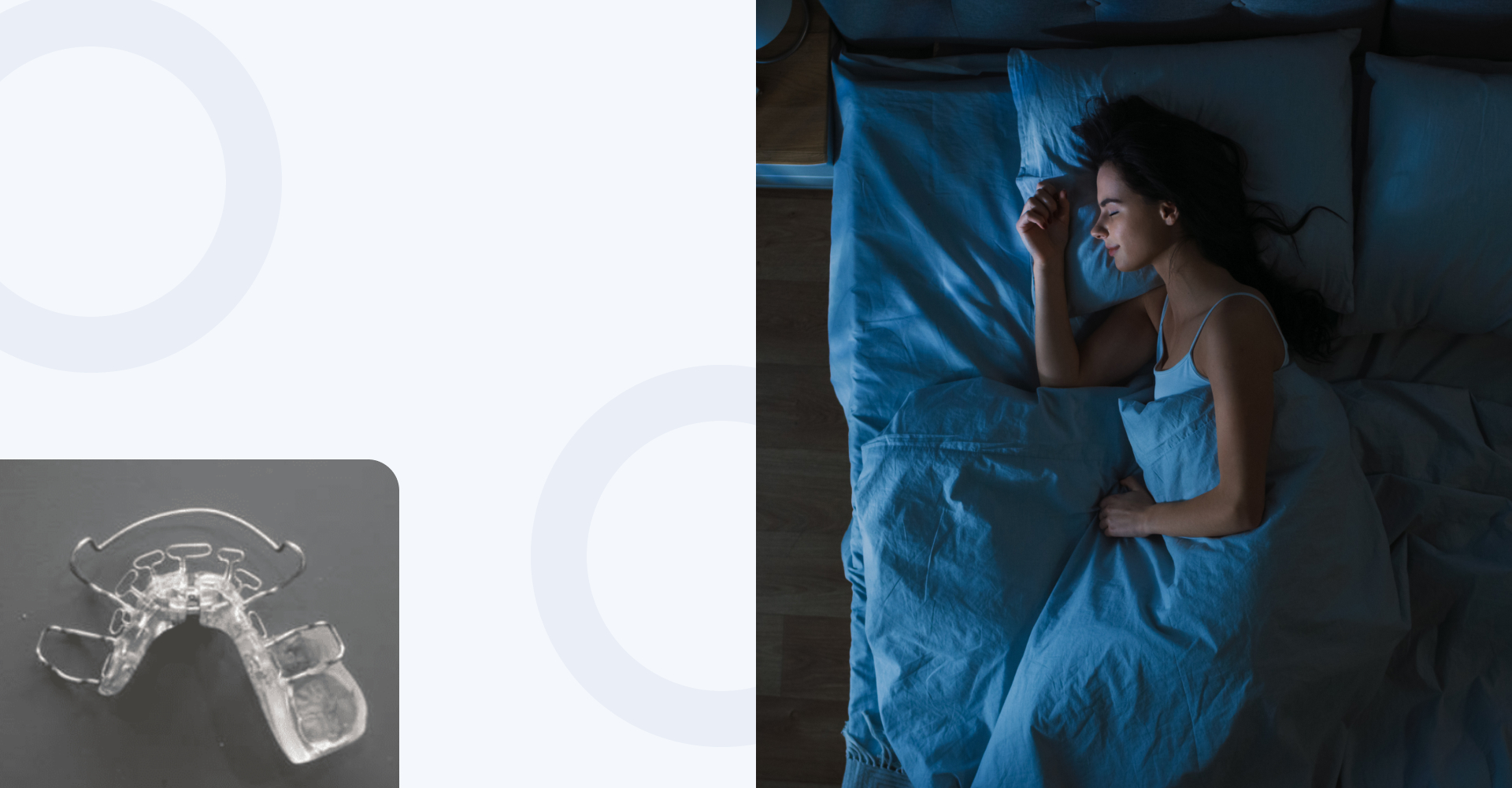
A custom-fit oral appliance is made for one person. It starts with detailed impressions or digital scans of your upper and lower teeth. The device is then fabricated to match your bite exactly. Because it follows the shape of each tooth, it grips evenly and stays in place through the night.
Most custom appliances are adjustable. The amount of forward jaw movement can be increased in small steps over several weeks. This process is often called titration. It lets the device reach a position that keeps the airway open while staying comfortable for the jaw joints. Your progress can then be checked with follow-up testing to confirm the device is working.
A custom appliance is also tied to a medical plan. It follows a diagnosis, usually from a sleep study. It is prescribed for a specific type and severity of sleep apnea. It is monitored after you start wearing it.
Over-the-Counter (OTC) Mouth Guards
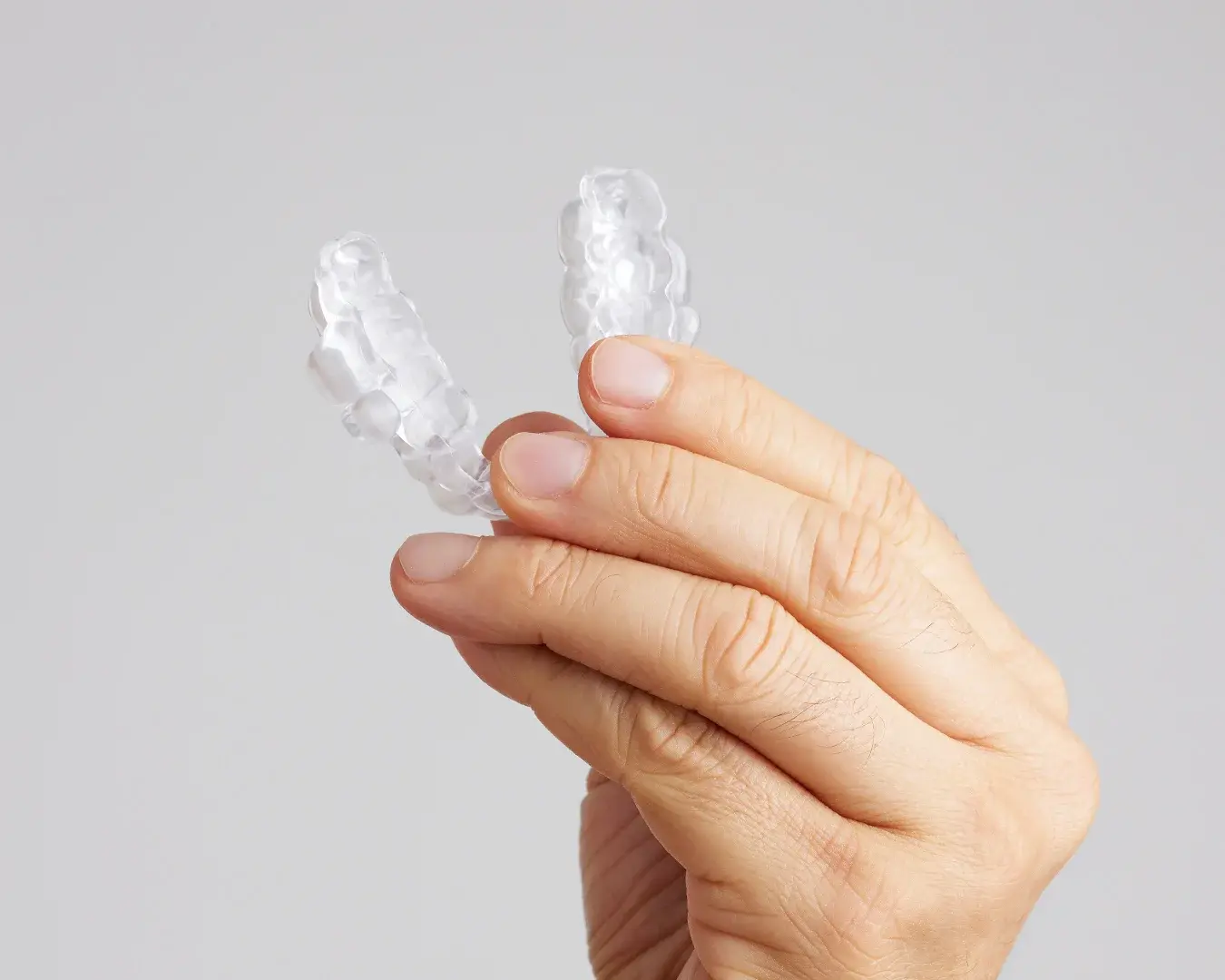
Over-the-counter mouth guards are sold online and in stores without a prescription. The most common style is “boil-and-bite.” You soften the plastic in hot water, bite into it, and let it harden around your teeth. Other versions come in a few preset sizes.
These devices usually advance the jaw by a fixed amount, or offer only a few rough settings. Many are marketed as snoring aids rather than sleep apnea treatments. The plastic tends to be thicker and bulkier so it can fit a wide range of mouths. The fit depends on how well you mold it at home, and there is no clinician checking your bite or your breathing.
Key Differences Between Custom and OTC Mouth Guards
Understanding this guide comes down to a few practical areas: design, comfort, results, and how long the device lasts.
How Custom Oral Appliances Differ from OTC Options
The biggest difference is precision. A custom appliance is shaped to your exact teeth and adjusted to a measured jaw position. An OTC guard is shaped to a general mouth size and set to a standard position.
The second difference is oversight. With a custom appliance, the device is part of a treatment plan. A diagnosis comes first. Adjustments are made over time. Results are checked. With an OTC guard, you choose the product, fit it yourself, and judge success by how you feel or whether a partner stops hearing you snore.
The third difference is purpose. Custom appliances are designed to treat obstructive sleep apnea. Many OTC guards are designed to reduce snoring. That is a meaningful distinction, because quieter nights do not always mean safer breathing.
Comfort and Fit Comparison
Comfort decides whether a person keeps wearing a device. A mouth guard only works if it stays in all night, every night.
Custom appliances tend to be slimmer because they do not need extra material to fit many different mouths. A thinner device leaves more room for the tongue and often feels less crowded. Because the fit is precise, the pressure spreads evenly across the teeth. That can reduce soreness in any single tooth.
Gradual adjustment also helps comfort. Moving the jaw forward a little at a time gives the muscles and joints a chance to adapt. Many patients find this easier than starting at a fixed, aggressive setting.
OTC guards are often bulkier. Some people find them hard to keep in place, especially if the home molding was uneven. A loose guard may fall out during the night or shift out of position. A guard that pushes the jaw too far forward can leave the jaw sore in the morning. Some users notice excess saliva, dry mouth, or a bite that feels “off” for a while after waking. These problems often lead people to stop using the device.
Clinical Effectiveness and Treatment Outcomes
For obstructive sleep apnea, the question is not just whether snoring stops. It is whether breathing pauses stop and oxygen levels stay steady through the night.
Custom appliances are built to answer that question. The jaw position can be fine-tuned until the airway stays open. Follow-up testing can confirm whether the device is reducing breathing pauses. If it is not working well enough, the setting can be changed, or a different treatment can be considered.
OTC guards offer no built-in way to measure results. A person may notice quieter sleep and assume the problem is solved. Meanwhile, breathing pauses may continue. This is sometimes called “masking.” The loud warning sign goes away, but the underlying condition keeps affecting sleep quality, daytime energy, and long-term health.
Oral appliances in general tend to suit mild to moderate obstructive sleep apnea. They are also an option for some patients who cannot tolerate a CPAP machine. People with more severe OSA, or with airway blockages that start in the nose or throat tissue, may need a different approach altogether. A custom appliance can be part of that broader plan. An OTC guard used on its own cannot account for those factors.
Durability and Lifespan
Custom appliances are usually made from dense, medical-grade materials meant for nightly use over a long period. With routine cleaning and care, many last for years. Because they are adjustable, they can sometimes be modified if your needs change, rather than being replaced.
OTC guards are typically made from softer thermoplastic. Nightly clenching and grinding can wear them down, warp them, or cause them to crack. The fit can loosen as the material breaks down. Many need to be replaced often, and each replacement means molding a new guard and hoping it fits the same way.
Durability affects more than convenience. A worn-out guard may no longer hold the jaw in the right position. Its effect on the airway can fade without the user noticing.
When an OTC Device Might Be Appropriate
An OTC guard is not always the wrong choice. It may be reasonable in a few limited situations:
Simple snoring that has been checked. If a specialist has evaluated you and confirmed that you snore without sleep apnea, a basic snoring guard may be a short-term option.
A temporary bridge. Some people use an OTC guard while waiting for a custom appliance, but only with their provider’s knowledge.
Testing tolerance. A few people want to see whether they can sleep with anything in their mouth before moving forward with a custom device.
In each case, the key step is the same: rule out sleep apnea first. An OTC guard should not be used to self-treat suspected OSA. Signs that point to sleep apnea include loud snoring with gasping or choking, pauses in breathing that a partner notices, morning headaches, and daytime sleepiness even after a full night in bed. If any of these sound familiar, an evaluation comes before any mouth guard.
Choosing the Right Mouth Guard for Sleep Apnea
The right device depends on what is causing your symptoms, how severe they are, and what your mouth and airway can support.
Factors to Consider
Your diagnosis. This is the starting point. An at-home sleep study can show whether you have sleep apnea and how severe it is. That result shapes every decision that follows. Oral appliances work as a fit for mild to moderate obstructive sleep apnea, not central sleep apnea.
Your teeth and jaw. A mandibular advancement device needs healthy teeth to grip. People with many missing teeth, loose teeth, or significant jaw joint problems may not be good candidates. A custom appliance can be designed around some of these concerns. An OTC guard cannot.
Where the blockage is. Not every airway blockage starts at the base of the tongue. Some begin in the nose. A deviated septum, enlarged turbinates, or a narrow nasal valve can make nighttime breathing harder. When the nose is part of the problem, our nasal breathing treatments may be considered alongside or instead of an oral appliance.
Your tolerance for other treatments. Some patients choose an oral appliance because CPAP did not work for them. Others may be candidates for options such as Inspire sleep therapy, which take a different approach to keeping the airway open. Knowing the full range of sleep apnea treatments helps you see where a mouth guard fits.
Your commitment to nightly use. Any oral appliance only helps on the nights you wear it. Comfort, fit, and ease of cleaning all affect whether you will keep using it over months and years.
Consulting With a Sleep Specialist
An evaluation with an ENT who treats sleep disorders brings all of these factors together. At Texas Sinus and Snoring, Dr. Ben Cilento, ENT Surgeon, looks at the full airway, from the nose to the throat. That view matters because many patients have more than one point of blockage.
During a consultation, Dr. Ben Cilento reviews your symptoms, sleep history, and any prior testing. He examines the nose, mouth, and throat to see where airflow narrows. If you have not had a sleep study, he can discuss whether testing is the right next step. Imaging can help explain what is happening inside the airway in a way that is easier to understand.
From there, you and Dr. Ben Cilento can talk through which options suit your diagnosis. For some patients, a custom oral appliance is the main treatment. For others, it works alongside nasal treatment. Some patients are better served by a different therapy altogether. You leave knowing what is causing your symptoms, which treatments make sense for you, and why.
If your main concern is noise rather than breathing pauses, our snoring may also be part of the conversation.
Dr. Ben Cilento reviews a 3D scan of a skull with a patient during a consultation.
Conclusion: Matching the Device to Your Diagnosis
The core of Custom vs. Over-the-Counter Sleep Apnea Mouth Guards: Key Differences is simple. Custom appliances are fitted to your teeth, adjusted over time, and tied to a confirmed diagnosis. Over-the-counter guards are generic, fixed, and used without medical oversight. For obstructive sleep apnea, a custom appliance guided by an evaluation is the safer path. An OTC guard is suitable only for snoring after sleep apnea has been ruled out.
About the Author
Dr. Ben Cilento, ENT
Dr. Ben Cilento is a globally recognized expert in sinus care, and sleep apnea treatments. With over two decades of experience, he has lectured in 10 countries, published extensively, and served as a key advisor in setting medical guidelines.