Most fears about sinus surgery come from outdated information. Today’s procedures are more targeted, recovery is often shorter than people expect, and the operation works inside the nose rather than changing how it looks. This guide covers 10 sinus surgery myths you should stop believing today, so you can make a decision based on facts.
Sinus surgery is a group of procedures that improve sinus function and relieve chronic sinus symptoms. The goal is to open blocked passages so mucus can drain and air can move freely. At Texas Sinus and Snoring, these procedures are performed by Dr. Ben Cilento, ENT Surgeon.
Surgery is usually considered when sinus symptoms keep returning or never fully clear. Common signs include ongoing congestion, facial pressure, repeated infections, and trouble breathing through the nose. If you have chronic sinusitis that has not improved with other care, surgery may be part of the conversation.
Our team offers several sinus and nasal procedures:
Septoplasty: A procedure that straightens a deviated septum to improve airflow.
Many patients describe recovery as pressure and stuffiness, similar to a bad cold, rather than sharp pain. Discomfort is usually manageable and fades as healing progresses.
Surgery is not meant to be the first step, but it also does not have to wait until every other option has failed for years. If symptoms keep affecting your sleep, work, or breathing, an earlier evaluation can help you avoid years of repeated treatments that never solve the underlying blockage.
Recovery depends on the procedure. Less invasive treatments often allow patients to return to normal routines sooner than they expect. More involved surgeries may need extra healing time. Dr. Ben Cilento will explain what recovery looks like for your specific plan.
Sinus surgery today is planned carefully around each patient’s anatomy and symptoms. Many procedures use small cameras and precise instruments that work through the nostrils. Your evaluation helps determine which option fits your needs, and every question you have is addressed before any decision is made.
Surgery corrects structural problems, such as blocked passages or a crooked septum. It does not change your immune system or remove allergies. Some patients still need ongoing care for allergies or inflammation after surgery. The difference is that open passages often make those conditions easier to manage.
Repeated infections are one reason for surgery, but they are not the only one. A deviated septum, swollen turbinates, or narrowed sinus openings can cause constant congestion even without infection. These structural issues can also play a role in snoring and poor sleep.
Sinus surgery and septoplasty work inside the nose. They are designed to improve breathing, not to change your appearance. The outside shape of your nose stays the same. Patients who want a cosmetic change discuss rhinoplasty as a separate procedure.
Many people picture a nose stuffed with gauze after surgery. That image is outdated. Packing is not needed for every procedure today, and less invasive options often avoid it. Dr. Ben Cilento will tell you what to expect based on the procedure recommended for you.
Blocked sinuses often dull the sense of smell because air cannot reach the area that detects scent. When passages are opened, many patients notice smell and taste improve as healing progresses. Your evaluation is a good time to discuss any concerns about smell.
Medications can ease symptoms for a while, but they do not correct a structural blockage. If you rely on sprays, decongestants, or repeated antibiotics to get through each season, the underlying problem may still be there. A specialist evaluation can show whether a lasting fix is possible.
Much of what people hear about sinus surgery comes from older techniques or secondhand stories. To sort fact from fiction, start with your own symptoms and anatomy. A nasal exam and imaging show what is actually causing your congestion. Ask direct questions about recovery, results, and alternatives. Our sinus quiz is a simple way to gauge whether your symptoms are worth a closer look.
Believing myths can keep people stuck with years of poor sleep, constant headaches, and repeated infections. Ongoing nasal congestion affects energy, focus, and quality of life. Reviewing the 10 sinus surgery myths you should stop believing today helps you weigh real options rather than fears. Accurate information lets you choose care that matches your goals.
You may benefit from sinus surgery if you have:
Sinus infections that return several times a year
Congestion that lasts for months
Facial pressure or sinus headaches that keep coming back
A deviated septum or swollen turbinates that block airflow
Symptoms that return as soon as medication stops
Not every patient needs surgery. The right path depends on what is causing your symptoms.
A consultation with Dr. Ben Cilento focuses on finding the source of your symptoms. He reviews your history, examines your nasal passages, and explains what the findings mean. Together, you discuss whether medical treatment, a less invasive procedure, or surgery makes sense. You leave with a clear plan and answers to your questions.
Sinus surgery today is more targeted than many people realize. It does not change the shape of your nose, packing is not always needed, and recovery is often easier than expected. Surgery fixes structural blockages but may not end every sinus issue. Knowing the 10 sinus surgery myths you should stop believing today helps you make a confident, informed choice about your breathing and long-term comfort.

About the Author
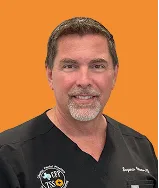
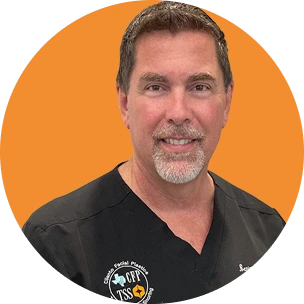
Dr. Ben Cilento, ENT