Septoplasty in Houston, TX

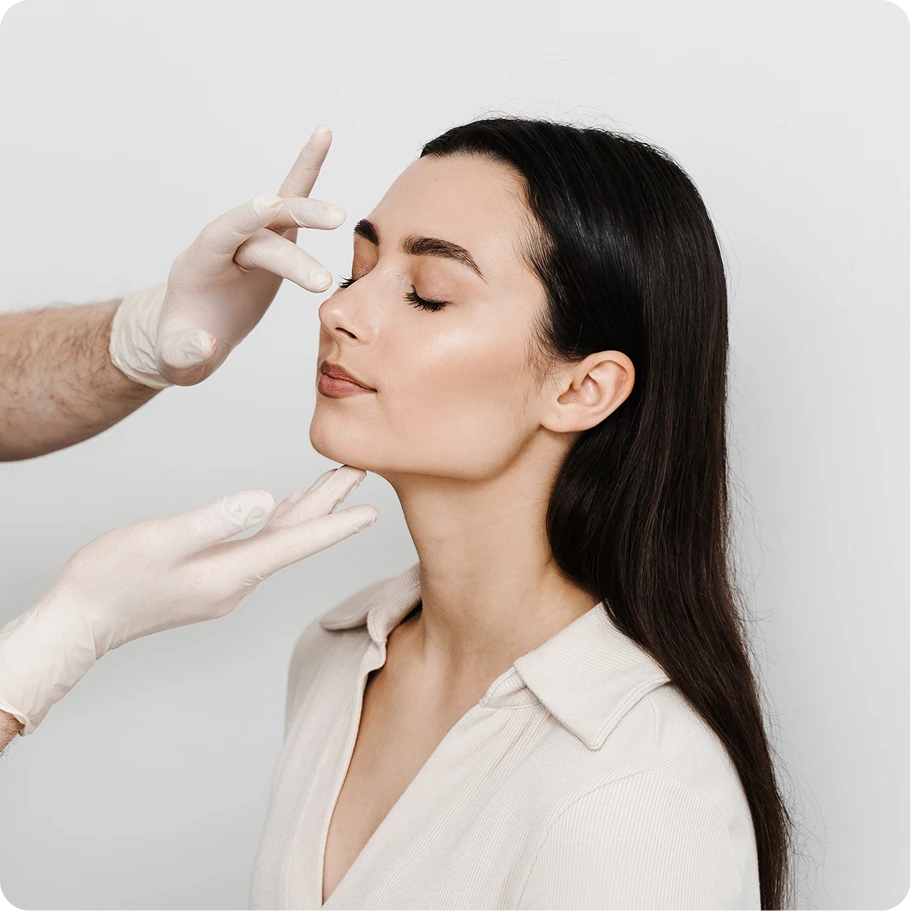
Septoplasty is a surgical procedure to correct a deviated septum. Your septum is the thin wall of bone and cartilage that divides your nostrils. When it’s deviated, it means it’s bent in a way that makes one of those nostrils smaller. Septoplasty repairs the septum by straightening and repositioning it. Our Texas Sinus and Snoring surgeons’ goal is to improve airflow through the nostrils.

How do I know if I have a deviated septum and
need a septoplasty?

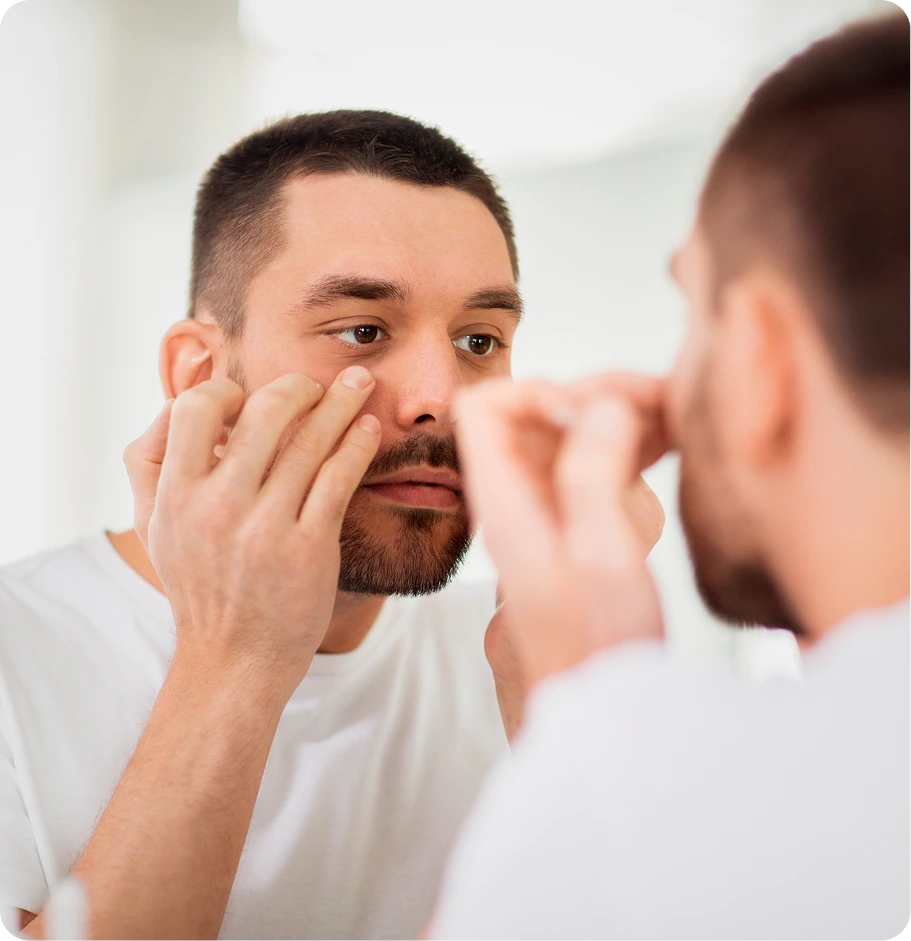
Some more severe deviated septums can be seen from the outside. If your nose is visually off-center, you may have a deviated septum. Another way to tell is to look at your nose from the nostrils. If you see the nostrils shifted to one side, you may have a deviated septum. It’s important to remember that a septoplasty is a sinus surgery to improve function, not a cosmetic surgery.
Not all deviated septums cause sinus problems. For some, symptoms can include:
  • Difficulty breathing out of one nostril
  • Repeat sinus infections
  • Noisy breathing or snoring
  • Optimized breathing on one side of the nose only
  • Sinus pain or pressure
  • Nose bleeds
  • Frequent mouth breathing

Want to learn more about deviated septums? Click the button below.

The only way to truly know if you’re a candidate for septoplasty is to come in for a proper exam. We’re all about comprehensive care, so you can receive any necessary scans in our office on your first visit. Our sinus doctors at Texas Sinus and Snoring have extensive experience in diagnosing and treating sinus-related issues like a deviated septum. They’ll be there every step of the way from your comprehensive exam to surgery to recovery.

If you’re ready to break the cycle and breathe, click the button below to request an appointment.


What to expect from Septoplasty?

Most septoplasties at Texas Sinus and Snoring are done right in our office in our AAAASF-certified surgery center. Our surgeons are able to make all the necessary incisions within the nose. The nasal septum is straightened by trimming, repositioning, and sometimes replacing the cartilage or bone. If there is a problem with a depressed bridge, spreader grafts (small reinforcing strips of cartilage) can be used to build it up.

1. Preparation and Anesthesia: You’ll be taken to the surgical suite and placed under general anesthesia to ensure you are fully comfortable and pain-free during the procedure.

2. Accessing the Septum: Our surgeon make precises incisions inside the nose to work on the two nasal passages, avoiding any external cuts.

3. Straightening the Septum: The deviated septum is carefully straightened by trimming, repositioning, and sometimes replacing sections of cartilage or bone.

4. Reinforcing the Structure: If needed, cartilage grafts or spreader grafts are used to strengthen or rebuild areas of the septum and improve airflow.

5. Finishing Up: The incisions are closed, and any internal supports are placed to help the septum heal properly.

6. Recovery: You’ll wake up in a comfortable recovery area, with instructions for care and follow-up to ensure smooth healing and optimal breathing results.

What does septoplasty recovery look like?

A positive surgery outcome isn’t just about the surgery, it’s also about the post-operative care. Our staff will go over every detail of what to expect after your surgery during your preoperative appointment.

Patients can expect some minor pain and swelling for a day or two. You’ll need to sleep with your head elevated for a few days. Most patients return to regular life within 3-7 days of surgery. However, all patients should restrict heavy physical activity, bending, and lifting for two weeks. Keeping blood pressure down through the face is important during healing.

Full recovery and stability of the tissues can take up to one year, but they should be relatively stable somewhere between 3-6 months.

Candidates for Septoplasty

Not everyone with a nasal issue needs a septoplasty, but ideal candidates are those whose deviated nasal septum is causing noticeable problems. People experiencing breathing difficulties, persistent nasal congestion, or frequent sinus infections may benefit from the procedure. Candidates can also include those who have suffered nasal trauma or have a severe septal deflection that obstructs the nasal cavity. Our surgeons perform the procedure to minimize visible scarring, focusing on restoring proper airflow and improving overall nasal function.

What are the benefits of Septoplasty?

The number one thing we hear from our septoplasty patients after recovery is, “I can breathe so much better!” Because a septoplasty straightens and corrects the position of the septum to return to normal, effective airflow through the nostrils is common.

Many patients report decreased snoring and better sleep apnea experiences. This is great news for our patients and their partners!
Another benefit is fewer sinus infections. Our goal is always complete healing, so we want to make sure your sinus infections aren’t also caused by seasonal allergies. Many septoplasty patients also go to our allergy clinic if they have seasonal allergies.

Septoplasty Cost in Houston, TX

The cost of a septoplasty in Houston typically ranges from $5,000 to $10,000, depending on the procedure’s complexity and whether additional treatments, such as cartilage grafts, are needed. Insurance often covers septoplasty when it’s medically necessary to correct a deviated nasal septum or improve breathing difficulties. During your consultation at Texas Sinus and Snoring, our team will review all costs upfront and help you understand your insurance coverage, so there are no surprises.

Breathe easier with professional treatments at our clinic

When considering septoplasty, Houston residents can trust our ENT specialist and facial plastic surgeon to evaluate both function and form. We carefully assess structural defects that may be causing sinus issues or breathing difficulties, while also considering the nose’s cosmetic appearance. By reviewing your medical history and using advanced techniques, our team ensures a personalized approach that addresses both health and aesthetics, helping you breathe easier and feel confident in your results.

Septoplasty FAQs

Yes, septoplasty surgery is specifically designed to correct a severe nasal airway obstruction and improve overall nasal breathing. During the procedure, our surgeons carefully adjust the septum while preserving the mucosal lining, ensuring both better airflow and minimal tissue trauma.

Absolutely. Many patients choose to combine septum correction with cosmetic procedures. This may include reshaping the nasal tip or using cartilage and bone grafting to achieve both improved function and enhanced appearance.


Yes, we do offer revision septoplasty for patients who continue to experience issues after an initial procedure. This can address problems such as persistent obstruction or nostril asymmetry, helping restore proper nasal function and appearance.

After surgery, it’s important to follow your surgeon’s guidance closely. Care often involves managing the bony septum, using nasal packing or nasal splints as directed, and taking pain medication as needed. Most patients can expect to be closely monitored for just a few hours immediately after the procedure before going home.

Yes, septoplasty can improve both nasal function and the appearance of the nose. Our board-certified surgeon carefully corrects the deviated portion of the septum, restores proper nasal drainage, preserves the mucosal tissue, and addresses aesthetic concerns. This can also provide sinus relief and may help with issues like sleep apnea, combining both health and cosmetic benefits.

Yes, in certain cases, a septoplasty procedure can improve airflow by addressing structural issues that contribute to nasal valve collapse. Correcting the septum can support the nasal valve area, enhancing both breathing and overall nasal function.