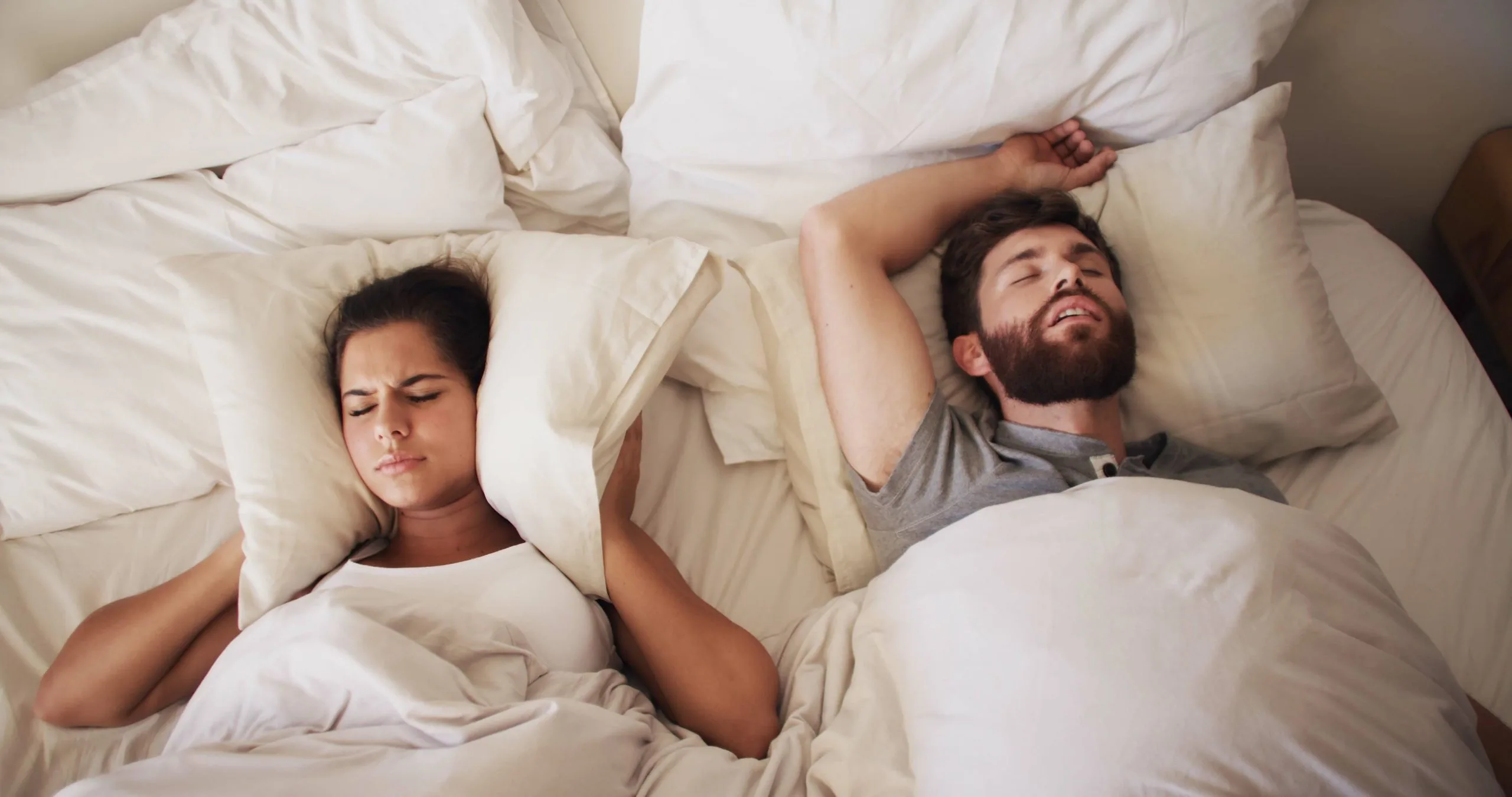
If you snore loudly, wake up gasping, or feel tired despite a full night in bed, sleep apnea may be the cause. Luckily, a wide range of remedies can help, from lifestyle changes to advanced treatments like Inspire Sleep Therapy and the AIRLIFT procedure. The key is matching the right remedy to your specific type and severity of sleep apnea, which an ENT specialist like Dr. Ben Cilento can help determine.
Understanding Sleep Apnea
What Is Sleep Apnea?
Sleep apnea is a serious sleep disorder where breathing repeatedly stops and starts during sleep. Each pause – called an apnea event – can last from a few seconds to over a minute and may happen dozens or even hundreds of times per night. When breathing stops, the brain briefly wakes you to restart it, disrupting the deep sleep your body needs. Most people are unaware that these awakenings are happening, but they feel the effects through exhaustion, morning headaches, difficulty concentrating, and excessive daytime sleepiness.
Types of Sleep Apnea
There are three recognized types:
Obstructive sleep apnea (OSA) is the most common form. It occurs when the muscles at the back of the throat relax and temporarily block the upper airway. Snoring is a hallmark symptom.
Central sleep apnea (CSA) happens when the brain fails to send proper signals to the muscles that control breathing. The airway isn’t physically blocked – the body simply doesn’t try to breathe.
Complex sleep apnea syndrome (also called treatment-emergent central sleep apnea) features elements of both obstructive and central sleep apnea.
Most of the remedies discussed in this article target obstructive sleep apnea, since it accounts for the vast majority of cases.
Lifestyle Remedies for Sleep Apnea
Lifestyle modifications are often the first line of defense, especially for mild-to-moderate OSA. They address many of the root causes and contributing factors of obstructive sleep apnea. Even patients who need medical or surgical intervention typically benefit from pairing these treatments with healthier daily habits that reduce apnea events, improve oxygen levels, and boost overall health.
Maintain a Healthy Weight
Excess weight – particularly around the neck and upper airway – is one of the strongest predictors of obstructive sleep apnea. Fat deposits in the throat can narrow the breathing passage and make collapse more likely during sleep. Studies consistently show that even a 10% reduction in body weight can meaningfully reduce the severity of OSA. For some patients with mild apnea, weight loss alone can resolve the condition.
Exercise
Regular physical activity helps in two ways: it supports weight management, and it independently improves sleep quality. Aerobic exercise, such as walking, cycling, and swimming, has been shown to reduce apnea severity even before significant weight loss occurs. Exercise also improves cardiovascular health and boosts energy levels, helping combat daytime fatigue.
Yoga deserves special mention. Breathing exercises (pranayama) and poses that strengthen the muscles of the upper airway can improve respiratory strength, oxygen flow, and reduce apnea events. Yoga also promotes better sleep habits and stress reduction, which indirectly support healthier breathing at night.
Adjust Your Sleep Position
Sleeping on your back allows gravity to pull the tongue and soft tissues backward, narrowing the airway. Switching to a side-sleeping position can significantly reduce or even eliminate mild sleep apnea symptoms. Positional therapy devices – special pillows, wearable bumpers, vibrating alarms that alert you when you roll onto your back, or even a tennis ball sewn into the back of a sleep shirt – can help you stay on your side throughout the night.
Avoid Alcohol and Smoking
Alcohol relaxes the muscles in the throat, making airway collapse more likely. Drinking in the hours before bed is particularly problematic. Smoking inflames and swells the upper airway tissues, leading to fluid retention and increased airflow resistance. Quitting smoking and limiting alcohol intake, especially in the evening, are two of the most impactful changes a sleep apnea patient can make.
Use a Humidifier
Dry air can irritate the respiratory system and worsen nasal congestion, which can force mouth breathing and increase the likelihood of airway obstruction. A bedside humidifier adds moisture to the air, reducing irritation, easing breathing, and making CPAP therapy more comfortable for patients who use it. This is especially helpful if you also suffer from nasal allergies.
Are Lifestyle Changes Effective in the Long Term?
For mild cases, the lifestyle changes above may be enough to bring symptoms under control. However, moderate to severe obstructive sleep apnea almost always requires medical treatment. Natural remedies should complement a proper evaluation and comprehensive treatment plan prescribed by a specialist. A home sleep study is a convenient first step to determine how severe your condition actually is.
Medical Treatments for Sleep Apnea
When lifestyle changes aren’t enough, a range of medical treatments can effectively manage sleep apnea. At Texas Sinus and Snoring, a variety of modern solutions are tailored to each patient’s specific anatomy and needs.
Continuous Positive Airway Pressure (CPAP)
CPAP remains the most widely prescribed treatment for moderate to severe OSA. The machine delivers a steady stream of pressurized air through a mask, creating a pneumatic splint that keeps the airway open throughout the night. When used consistently, CPAP is highly effective at eliminating apnea events, improving oxygen levels, and reducing daytime sleepiness.
Types of CPAP Masks
Finding the right mask is key to successful CPAP therapy.
Nasal masks cover only the nose and are secured with headgear straps. They work well for patients who breathe through their nose and need moderate-to-high-pressure settings, providing a stable seal while allowing some freedom of movement during sleep.
Full-face masks cover both the nose and mouth, making them the go-to option for patients who breathe through their mouth during sleep or who experience chronic nasal congestion. The trade-off is a bulkier design that some people find harder to tolerate.
Nasal pillow masks are the most minimal option. Small, soft cushions sit at the nostrils and deliver air directly into the nasal passages. They’re lightweight, allow a wider field of vision (helpful for reading in bed), and work well at lower pressure settings. However, they may not seal properly at higher pressures.
The challenge? Many patients struggle with compliance. Mask discomfort, air leaks, dry mouth, and the noise of the machine lead a significant number of users to abandon CPAP within the first year. That’s why alternative sleep apnea remedies, such as implantable devices, have become increasingly important.
Inspire Sleep Therapy
Inspire Sleep Therapy is a surgically implanted device that works with your body’s natural breathing process. A small pulse generator, placed under the skin of the chest, monitors your breathing pattern. With each breath, it delivers mild stimulation to the hypoglossal nerve, which controls tongue movement. This stimulation gently moves the tongue forward and opens the airway – no mask, no hose, no pressurized air.
Patients control the device with a small handheld remote, turning it on before sleep and off in the morning. Inspire is FDA-approved for patients with moderate-to-severe OSA who have struggled with CPAP. Dr. Ben Cilento offers Inspire Sleep Therapy at Texas Sinus and Snoring for qualifying candidates.
AIRLIFT Procedure
AIRLIFT takes a different approach entirely. This minimally invasive treatment uses small, implanted suspension lines to support the hyoid bone, lifting the tongue base and opening the airway. By stabilizing this critical area, AIRLIFT reduces obstruction caused by tongue base collapse without nerve stimulation or continuous air pressure.
AIRLIFT is positioned as a CPAP alternative and can serve as a long-term solution for patients looking to avoid daily therapies. It may also be combined with other treatments to address multiple points of airway collapse. Texas Sinus and Snoring offers this procedure as part of its comprehensive sleep apnea treatment options.
Surgical Procedures
In cases where a specific physical obstruction causes sleep apnea, surgery may be the most effective option. Dr. Ben Cilento, an experienced ENT surgeon, specializes in procedures that correct anatomical issues contributing to airway blockage. These may include:
Septoplasty – Improves nasal breathing by correcting a deviated septum.
Nasal surgery for collapsed nasal valve – Repairs a collapsed nasal valve, the narrowest part of the nasal airway.
These nasal procedures don’t always treat sleep apnea directly, but they improve nasal airflow, which can make CPAP more tolerable and reduce overall airway resistance.
Choosing the Right Sleep Apnea Remedy
Factors to Consider
No single remedy works for everyone. The right treatment depends on several factors:
Severity – Mild OSA may respond to lifestyle changes, while moderate to severe cases typically require CPAP, an implantable device, or surgery.
Type of apnea – Obstructive, central, and complex sleep apnea each respond to different interventions.
Site of obstruction – Whether the collapse occurs at the palate, tongue base, or nasal passages influences which procedures will be most effective.
CPAP tolerance – Patients who cannot tolerate CPAP have multiple alternative options, including Inspire, AIRLIFT, and other surgical and non-surgical options.
Lifestyle and preferences – Your ability and willingness to use a device like CPAP every night, travel habits, and personal comfort all matter.
Overall health – Medical history, weight, and coexisting conditions all play a role in treatment planning.
Working With Your Sleep Specialist
A thorough evaluation is the starting point. At Texas Sinus and Snoring, the process often begins with an at-home sleep study to objectively measure the severity of your condition. Dr. Ben Cilento, an ENT surgeon practicing in Spring, TX, then reviews the results, examines your airway anatomy, and recommends a personalized treatment plan.
Because our practice offers the full spectrum of sleep apnea remedies – from CPAP optimization to Inspire, AIRLIFT, and septoplasty – our recommendations are based on what fits your anatomy and lifestyle, not limited by what’s available.
Conclusion
Sleep apnea is a treatable condition, and today’s remedies extend well beyond the CPAP machine. Lifestyle changes like weight management, positional therapy, and avoiding alcohol before bed form a solid foundation. For patients who need more, options like Inspire Sleep Therapy, the AIRLIFT procedure, and other surgical options offer effective paths to better breathing and sleep.
The most important step is getting an accurate diagnosis so the right remedy can be matched to your specific needs.